
Diet After Gallbladder Surgery in Surat: What to Eat in the First 4 Weeks
Dr. Vikram Lotwala
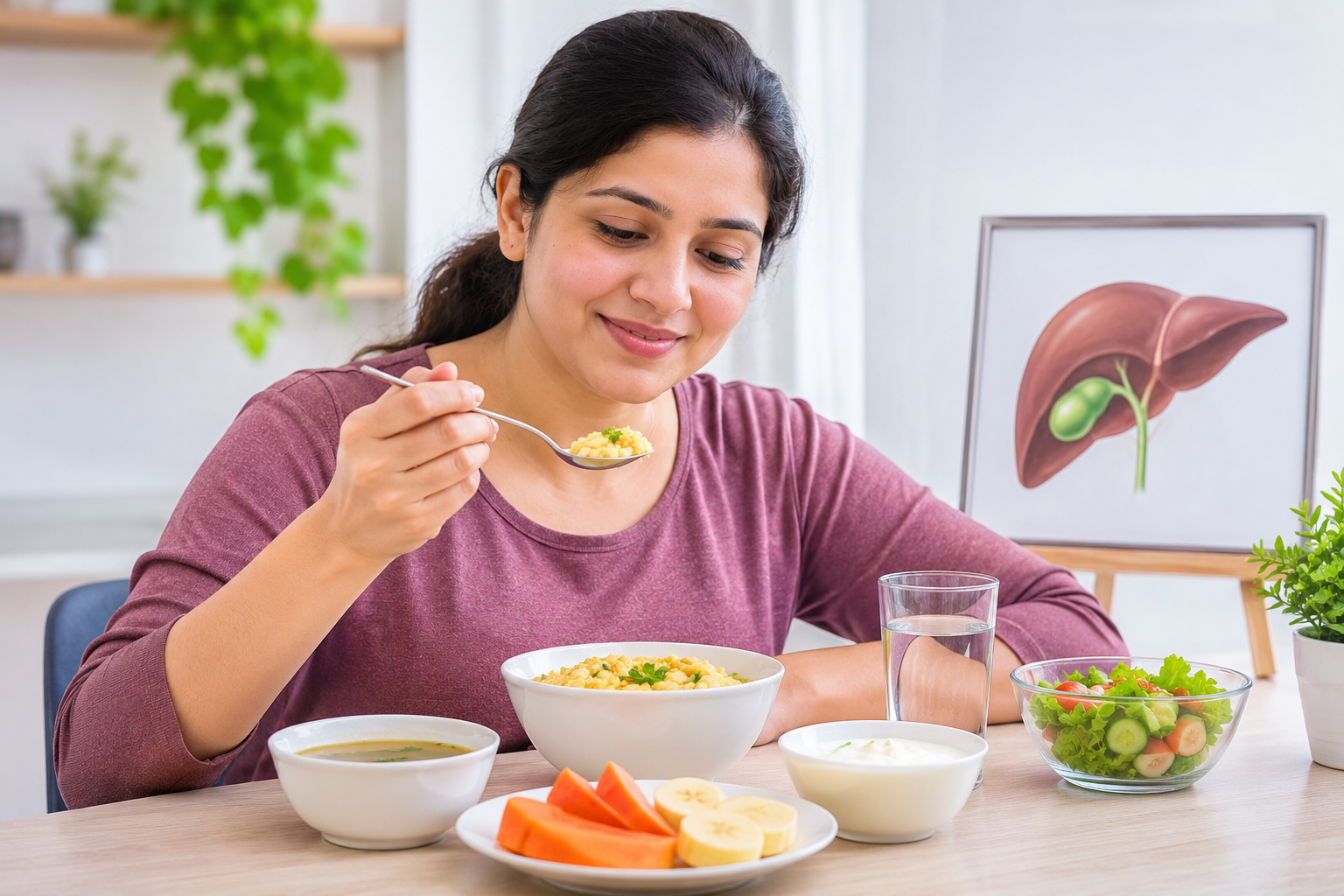
After gallbladder surgery, small, low-fat meals may be easier to tolerate during the first 2–4 weeks. Foods such as dal, soft khichdi, low-fat curd, fruits and steamed vegetables are practical choices. Avoid fried farsan, heavy ghee and large meals initially while digestion adjusts.
Following the right diet after gallbladder surgery in surat can help patients manage temporary digestive discomfort and gradually return to normal eating.
Although most people can eventually eat a varied diet without a gallbladder, some experience loose motions, bloating or discomfort after fatty meals during recovery.
Dr. Vikram Lotwala, associated with Wings Hospital, Adajan, recommends that patients follow their treating team's postoperative instructions and adjust food choices according to tolerance.
This guide explains what to eat, which Gujarati foods to choose and how to manage common digestive symptoms during the first four weeks.
Why Diet Changes After Gallbladder Removal
The gallbladder stores and concentrates bile produced by the liver. Bile helps the body digest dietary fat.
After gallbladder removal, bile continues to flow from the liver into the small intestine, but it is no longer stored in the gallbladder between meals.
Consequently, some patients find large or high-fat meals harder to tolerate initially.
What Happens to Digestion?
Most people continue digesting food normally after recovery. However, temporary symptoms may include:
-
Loose stools after meals.
-
Abdominal bloating.
-
Increased gas.
-
Mild digestive discomfort.
-
Urgency to pass stools after fatty foods.
These symptoms do not occur in every patient.
Why Are Smaller Meals Helpful?
Smaller meals distribute food intake throughout the day instead of placing a large digestive demand on the intestine at once.
Additionally, limiting heavy fats temporarily may reduce diarrhea or discomfort.
A strict lifelong low-fat diet is not necessary for everyone. Food choices can usually become more varied as tolerance improves.
Patients considering gallbladder stone surgery in Surat can discuss postoperative nutrition with their surgical team before the procedure.
Week 1 to Week 4 Food Plan
The food after gallbladder removal should be easy to digest, nutritionally balanced, and appropriate for the patient's recovery stage.
The following is a general example, not a mandatory diet for every patient.
Week 1: Begin With Simple Meals
During the early recovery period, patients may prefer smaller portions of familiar, lightly prepared foods.
Suitable options can include:
-
Soft moong dal khichdi.
-
Thin dal.
-
Plain rice.
-
Low-fat curd.
-
Soft cooked vegetables.
-
Toast or simple phulka.
-
Ripe banana or other tolerated fruits.
Avoid forcing large meals when appetite is reduced.
Drink adequate fluids unless your doctor has advised a restriction.
Week 2: Gradually Increase Variety
As appetite and digestion improve, introduce more regular home-cooked meals.
For example, add phulka, cooked vegetables, dal, rice and moderate portions of protein-rich foods.
However, continue limiting deep-fried snacks and meals containing large amounts of oil.
Week 3: Focus on Balanced Nutrition
By the third week, many patients can tolerate a broader variety of foods.
Include vegetables, fruits, protein sources and suitable whole grains.
If particular foods cause loose stools or bloating, reduce the portion and try them again later.
Week 4: Return Towards Normal Eating
Many patients can gradually resume their usual balanced diet by this stage.
However, recovery varies, and some people need more time.
The goal is not to avoid fat permanently but to identify comfortable portions and choose nutritious meals.
Four-Week Gujarati Meal Plan
| Recovery Week | Breakfast | Lunch | Dinner | Foods to Limit |
|---|---|---|---|---|
| Week 1 | Soft poha with minimal oil | Moong dal khichdi | Thin dal with soft rice | Fried farsan, heavy gravies |
| Week 2 | Plain idli or light upma | Phulka, dal and cooked vegetables | Soft vegetable khichdi | Excess ghee and butter |
| Week 3 | Dalia or lightly prepared poha | Roti, dal, vegetables and low-fat curd | Rice with a protein-rich dish | Deep-fried snacks |
| Week 4 | Balanced homemade breakfast | Regular balanced Gujarati thali with moderate oil | Roti, vegetables, dal and rice | Foods that trigger discomfort |
Dietitian review: [Confirm meal choices, portions and progression for patients with diabetes, food intolerance or other medical conditions.]
Gujarati Foods to Choose and Avoid
A gujarati diet after cholecystectomy does not have to be complicated.
Many familiar home-cooked foods can fit into recovery when prepared with moderate oil and served in comfortable portions.
Gujarati Foods That May Be Easier to Tolerate
Moong dal khichdi: Soft, lightly seasoned khichdi provides carbohydrates and some protein without requiring heavy oil.
Plain phulka: Phulka without added ghee is a practical option alongside dal and vegetables.
Light dal: Dal prepared with minimal oil can provide protein and other nutrients.
Steamed dhokla: Small portions of lightly prepared dhokla may be tolerated, depending on individual digestion.
Cooked vegetables: Lauki, pumpkin, carrots and other well-cooked vegetables can be introduced according to tolerance.
Low-fat curd: Curd may be suitable if dairy does not cause digestive symptoms.
Foods to Limit During Early Recovery
Some common Gujarati foods contain substantial amounts of fat.
Examples include:
-
Deep-fried fafda.
-
Gathiya and sev.
-
Fried bhajiya.
-
Heavy puri meals.
-
Excessively oily sabzi.
-
Foods prepared with large amounts of ghee.
-
Rich sweets containing significant fat.
These are not necessarily prohibited forever. However, large portions may trigger symptoms during early recovery.
Can You Eat Traditional Gujarati Thali?
Yes, many patients can gradually return to a balanced Gujarati thali.
Choose modest portions of roti, dal, rice and vegetables.
Initially, avoid combining several rich or fried dishes in the same meal.
As digestion improves, small amounts of healthy fats can be reintroduced according to tolerance.
Managing Loose Motions and Gas
Loose stools and bloating can occur after gallbladder removal.
For some patients, these symptoms improve as digestion adapts.
However, persistent or severe diarrhoea requires medical assessment.
Tips to Reduce Loose Motions
Eat smaller meals: Instead of eating two or three heavy meals, spread food intake more evenly.
Reduce large fat portions: Avoid very oily meals while symptoms continue.
Maintain hydration: Replace fluids lost through loose stools.
Introduce fibre gradually: Foods containing soluble fibre may help some patients, but sudden increases can worsen bloating.
Identify food triggers: A simple food diary can help identify meals associated with discomfort.
What About Gas and Bloating?
Bloating may improve with slower eating, smaller portions and gentle walking.
Additionally, avoid eating too quickly or consuming large quantities of carbonated drinks if these worsen symptoms.
Patients should not assume that all abdominal discomfort is normal after surgery.
When Should You Contact the Doctor?
Seek medical advice if you develop:
-
Increasing or severe abdominal pain.
-
Persistent vomiting.
-
Fever.
-
Yellowing of the eyes or skin.
-
Inability to drink enough fluids.
-
Severe or persistent diarrhoea.
-
Signs of dehydration.
These symptoms may require assessment rather than dietary changes alone.
For additional guidance, read about recovery after gallbladder surgery.
Gallbladder Diet Plan in Rander Surat: What Patients Should Know
Patients searching for a gallbladder diet plan in rander surat should understand that postoperative dietary advice must reflect individual digestion, medical conditions and surgical recovery.
A general meal plan may not suit everyone.
For example, a patient with diabetes may need different carbohydrate portions from someone without diabetes.
Similarly, patients with lactose intolerance, kidney disease or other digestive conditions may require specific modifications.
What Should a Personalised Diet Plan Include?
A postoperative nutrition assessment may consider:
-
Current appetite and food tolerance.
-
Frequency of loose stools.
-
Protein and fluid intake.
-
Existing medical conditions.
-
Usual meal timings.
-
Vegetarian or other dietary preferences.
-
Medicines and nutritional requirements.
Dr. Vikram Lotwala, associated with Wings Hospital, Adajan, can advise patients about recovery and whether dietitian support is appropriate.
Patients may also explore information about a dietitian in Surat for nutritional guidance.
Gallbladder Diet Plan From Wings Hospital Dietitian
A structured recovery plan should help patients return to balanced eating without unnecessary long-term restrictions.
The treating team may advise a gradual approach based on symptoms.
Practical Daily Eating Checklist
-
Eat comfortable portions rather than large meals.
-
Choose lightly cooked foods during early recovery.
-
Include suitable protein sources.
-
Drink enough water.
-
Limit very oily meals if they trigger symptoms.
-
Reintroduce foods gradually.
-
Monitor persistent diarrhoea or abdominal discomfort.
-
Attend scheduled follow-up appointments.
Patients should avoid restrictive diets that eliminate entire food groups without medical advice.
Is a Low-Fat Diet Needed Forever?
Usually, no.
Many patients eventually tolerate a normal, balanced diet after gallbladder removal.
However, individuals with persistent digestive symptoms may benefit from continued dietary adjustments and medical evaluation.
The best long-term plan is one that provides adequate nutrition while remaining comfortable and sustainable.
[Dietitian approval pending for the clinic-specific recommendations in this section.]
Conclusion
Following a suitable diet after gallbladder surgery in surat can make the early recovery period more comfortable.
Small meals, moderate fat intake and familiar foods such as dal, khichdi, phulka and cooked vegetables are practical starting points.
As digestion improves, most patients can gradually return to a varied, balanced diet.
However, persistent diarrhoea, significant pain or other concerning symptoms should not be ignored.
Dr. Vikram Lotwala, associated with Wings Hospital, Adajan, can discuss postoperative recovery and individual dietary needs during follow-up.
Follow the diet plan given by your laparoscopic surgeon in Surat after surgery.
Frequently Asked Questions
Can I eat ghee after gallbladder surgery?
Small amounts of ghee may be tolerated after gallbladder surgery, but large portions can trigger diarrhoea or discomfort during early recovery. Introduce fatty foods gradually and observe your symptoms. Patients following a gallbladder diet plan in rander surat should seek individual advice if digestive problems persist.
When can I eat normal food?
Many patients gradually return to a normal balanced diet over the first few weeks after gallbladder removal. However, there is no fixed schedule for everyone. Start with foods you tolerate comfortably, increase variety gradually and follow your surgeon's instructions, especially if recovery is complicated.
Is diarrhoea normal after gallbladder removal?
Some patients experience loose stools after gallbladder removal because bile flows directly into the intestine. Symptoms may improve with smaller meals and reduced fat intake. However, severe, persistent or worsening diarrhoea requires medical assessment because treatment may be necessary to prevent dehydration and manage bile-related symptoms.
Can I eat sweets during Diwali leftovers?
You may tolerate a small portion of sweets once your appetite and digestion have improved. However, rich sweets containing substantial ghee, cream or fried ingredients may cause discomfort. Choose modest portions and consider your overall health, particularly if you have diabetes or other dietary restrictions.
Consult Dr. Vikram Lotwala
Advanced bariatric, hernia and laparoscopic surgical care in Surat.