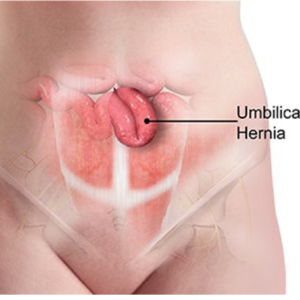
Safe, Effective, and Long-Lasting
Tension-free hernia repair in Surat closes a hernia using a soft surgical mesh instead of pulling the muscle edges together. The mesh takes the load, so the repair sits without tension. Dr. Vikram Lotwala performs it at Wings Hospital, Adajan, and it keeps recurrence rare.
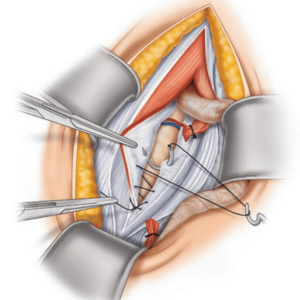
Older repairs stitched the weakened tissue back together under strain. That pulling caused pain and let hernias return. Because mesh removes the strain entirely, tension-free repair became the standard technique worldwide, and clinical guidelines now recommend it for most hernias.
What is Tension-Free Hernia Repair ?
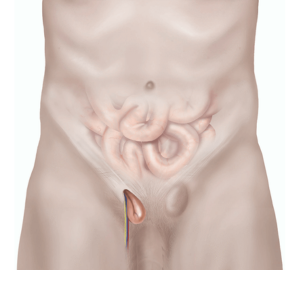
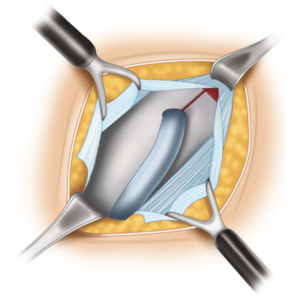
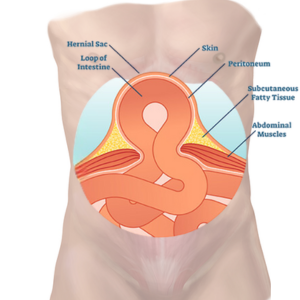
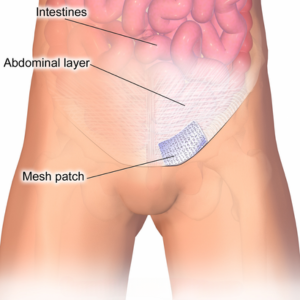
Tension-free hernia repair treats a hernia by placing a soft synthetic mesh over the weak area of the abdominal wall. The mesh supports the tissue while your own body grows into it. As a result, the repair holds without pulling the muscle edges together.
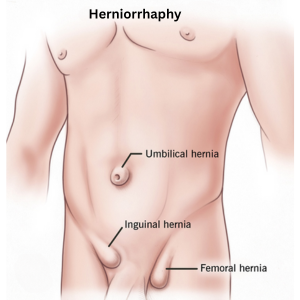
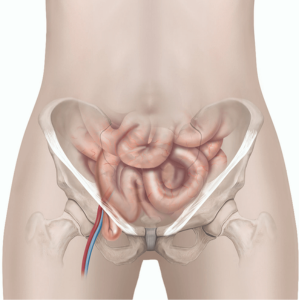
Traditional repairs stitched those edges closed under strain. That strain caused lasting groin pain and let hernias come back. Because mesh removes it, tension-free hernia repair in Surat now suits most inguinal, umbilical, ventral and recurrent hernias.
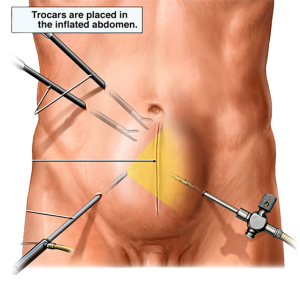
Surgeons place the mesh through open surgery or by keyhole access, depending on the hernia and your fitness. Either way, the principle stays the same: reinforce, do not pull.
Why choose Tension-Free Hernia Repair?
Tension-free repair became the worldwide standard because it fixes the two problems that troubled older techniques: hernias coming back, and groin pain that never fully went away.
- Lower recurrence risk: the mesh reinforces the abdominal wall permanently, so hernias return far less often than after stitched repairs
- No pulling on the tissue: the mesh carries the load instead of the muscle edges, which is what removes the strain that used to cause pain
- Less pain afterwards: without that strain, most patients need only simple painkillers for a few days
- Quicker return to routine: desk work usually resumes in one to two weeks, and heavy lifting after four to six
- Suits most hernias: inguinal, umbilical, ventral, femoral and recurrent hernias all take a mesh repair well
- Works either way in: the surgeon places the mesh through open surgery or keyhole access, whichever fits your case
Why choose Dr. Vikram Lotwala Tension-Free Hernia Repair in Surat?
Three things matter when you pick a surgeon for a mesh repair: how often he performs it, which mesh he uses and why, and what happens after you go home.
- Volume and experience: over 15 years of practice and more than 2000 procedures, with hernia repair among his declared special interests
- Mesh chosen for your case: mesh type, size and fixation get decided by the hernia in front of him, not by a standard kit
- Open or keyhole: he performs both, so the route follows your anatomy and your fitness rather than a preferred technique
- Peer recognition: Treasurer of the South Gujarat Surgeons Society, and an executive committee member of the Gujarat ASI chapter and the Obesity and Metabolic Surgery Society of India
- Care before and after: pre-operative counselling, discharge instructions, and follow-up at one week and one month
- Transparent pricing: a written estimate and an insurance check before admission
What are the Benefits of Tension-Free Hernia Repair?
- Durable repair: mesh reinforces the abdominal wall at the hernia site, so recurrence there stays rare
- Less pain afterwards: no strain on the muscle edges means most patients need only simple painkillers
- Quicker routine: desk work usually resumes in one to two weeks
- Fits most hernias: inguinal, umbilical, ventral, femoral and recurrent hernias all take mesh well
Areas we serve
Dr. Vikram Lotwala performs mesh hernia repairs for patients from Surat and the wider South Gujarat belt, including Bardoli, Ankleshwar, Bharuch, Vapi, Navsari, Valsad and Vyara. Out-of-town patients can email their reports first. The team then plans one trip that covers consultation, surgery and discharge.
Conclusion
A hernia will not close on its own, and a repair done under tension is the kind that comes back. Mesh removes that strain, which is why tension-free hernia repair in Surat has become the standard technique rather than an optional upgrade.
Dr. Vikram Lotwala performs both open and keyhole mesh repairs at Wings Hospital, Adajan, with over 15 years of practice and more than 2000 procedures behind him. He selects the mesh and the route after examining you, and he explains both before you consent.
Book your consultation today, or call +91 98244 37573 to discuss which repair suits your hernia.