Best Bariatric Surgery for Weight Loss by Dr. Vikram Lotwala – Your Trusted Obesity Expert in Surat
Best Bariatric Surgery for Weight Loss by Dr. Vikram Lotwala – Your Trusted Obesity Expert in Surat
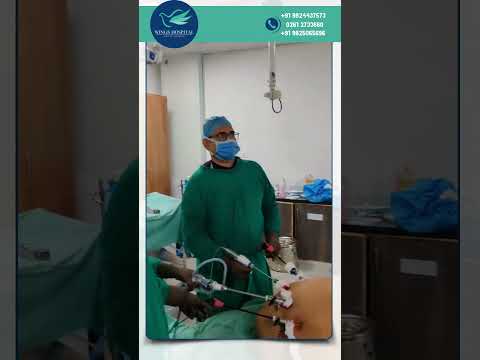
Obesity treatment in Surat can involve lifestyle changes, medical weight management, or bariatric surgery, depending on a person’s health, BMI, medical conditions, and weight-loss history. In this video, Dr. Vikram Lotwala discusses bariatric surgery and its role in comprehensive obesity care.
Obesity can affect overall health and may increase the risk of conditions such as type 2 diabetes, high blood pressure, sleep apnea, and other weight-related health problems. Therefore, appropriate treatment should address both weight management and long-term health.
What Is Bariatric Surgery?
Bariatric surgery includes procedures that modify the digestive system to support weight loss. Common procedures include sleeve gastrectomy and gastric bypass. However, the most suitable procedure depends on the patient’s individual health profile and clinical assessment.
A bariatric surgeon evaluates factors such as BMI, medical conditions, previous weight-loss attempts, nutritional health, and readiness for long-term lifestyle changes. Based on this assessment, the surgeon can recommend an appropriate treatment approach.
Obesity Treatment in Surat at Wings Hospital
Patients seeking obesity treatment in Surat, Gujarat can explore different options through professional evaluation. Depending on individual needs, treatment may include nutrition guidance, physical activity, prescription weight-management medicines, or bariatric surgery.
Dr. Vikram Lotwala provides bariatric and laparoscopic surgical care at Wings Hospital, Surat.
What are the treatment options for obesity?
Obesity treatment is a ladder, not a menu. Each step suits a different severity, and moving up a step is a clinical decision based on stage, comorbidities and response, not on preference or urgency.
| Step | What it involves | Generally suits |
|---|---|---|
| Supervised lifestyle management | Structured dietary and activity change with professional supervision, plus sleep and stress | Stage 1, and alongside every step above |
| Medical management | Treating the conditions obesity is driving, and reviewing medications that promote weight gain | Stage 2 with established comorbidities |
| GLP-1 medication | Weekly or daily prescription injections that reduce appetite | Lower BMI ranges, or preparation before surgery |
| Endoscopic options | Intragastric balloon, non-surgical and temporary | Lower BMI, or bridging to surgery |
| Bariatric and metabolic surgery | Sleeve gastrectomy, gastric bypass or mini gastric bypass | Higher BMI, or lower BMI with significant metabolic disease |
Two points that matter more than the table:
- The bottom step never goes away. Nutrition, protein intake and activity remain part of treatment at every level, including after surgery. No step replaces it.
- Steps are increasingly combined rather than sequenced. Medication before surgery to reduce operative risk, and medication after surgery to manage late regain, are now recognised approaches.
For a direct comparison of medication against surgery, see our guide to the best weight loss treatment in India.
Get Started With a Consultation Today
If you’re ready to take a step toward a healthier, more confident version of yourself – now is the time.
Reach out to Dr. Vikram Lotwala via:
- Phone: +91 9824437573 / +91 9909966056
- Email: doctorvikram@gmail.com
- Website: drvikramlotwala.com
Explore more about treatments, patient experiences, and recovery stories via:
Conclusion
Effective obesity care starts with an individualized assessment. If lifestyle changes alone have not provided sufficient results, a qualified specialist can explain whether medical treatment or bariatric surgery may be appropriate.
Consult Dr. Vikram Lotwala at Wings Hospital, Surat, to discuss your weight-management goals and explore personalized obesity treatment options.
FAQs
1. What is obesity treatment?
Obesity treatment may include lifestyle changes, medical weight management, prescription medicines, or bariatric surgery, depending on individual needs.
2. When is bariatric surgery considered?
A qualified specialist considers factors such as BMI, health conditions, previous weight-loss efforts, and overall suitability before recommending surgery.
3. What are common bariatric surgery procedures?
Common procedures include sleeve gastrectomy and gastric bypass. The appropriate option depends on the patient’s clinical assessment.
4. Can obesity affect other health conditions?
Yes. Obesity can increase the risk of several health conditions, including type 2 diabetes, hypertension, and sleep apnea.
5. Is obesity treatment personalized?
Yes. Treatment should consider a person’s health, BMI, medical history, lifestyle, and weight-management goals.
6. Where can I seek obesity treatment in Surat?
Dr. Vikram Lotwala provides bariatric and laparoscopic surgical care at Wings Hospital, Surat.
7. Is bariatric surgery suitable for everyone?
No. A qualified bariatric surgeon should evaluate each patient individually before recommending surgery.