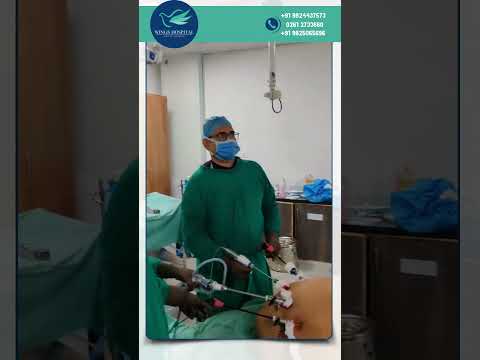
Types of Hernia & When to See a Hernia Specialist - Dr. Vikram Lotwala
Types of Hernia & When to See a Hernia Specialist - Dr. Vikram Lotwala
A hernia happens when an organ or tissue pushes through a weak spot in the muscle wall, causing a bulge. In this video, Dr. Vikram Lotwala, laparoscopic hernia surgeon in Surat, talks about hernia and its treatment with advanced laparoscopic surgery.
Common types of hernia
- Inguinal hernia: A bulge in the groin. The most common type, especially in men.
- Umbilical hernia: A bulge at or around the belly button.
- Incisional hernia: Develops at the site of a previous surgery scar.
- Ventral hernia: A bulge in the front wall of the abdomen.
- Hiatal hernia: Part of the stomach pushes up into the chest, often causing acidity and heartburn.
When to see a hernia specialist
See a surgeon if you notice a bulge that appears when standing, coughing or lifting and goes away when lying down, or a dragging or aching feeling in the groin or abdomen. Seek urgent care if the bulge becomes painful, hard or cannot be pushed back, or if you have vomiting.
Laparoscopic hernia repair
Most hernias can be repaired using laparoscopic (keyhole) surgery with mesh. This means smaller cuts, less pain and a faster return to work compared with open surgery. The right technique depends on the type and size of the hernia.
Book a consultation with Dr. Vikram Lotwala for hernia treatment in Surat.
Dr. Vikram Lotwala
Laparoscopic & Bariatric Surgeon
Wings Hospital, 1st Floor, Abhilasha Apartments, Madhuvan Circle, L P Savani Road, Surat, Gujarat
Phone: +91 99099 66056
Frequently Asked Questions
Can a hernia go away without surgery?
In adults, no. A hernia does not heal on its own, and surgery is the only permanent treatment. Umbilical hernias in babies are an exception, as many close naturally in the first few years of life.
Which type of hernia is most common?
Inguinal (groin) hernia is the most common type.
What causes a hernia?
A hernia develops when pressure inside the abdomen pushes through a weak spot in the muscle wall. Common contributing factors include heavy lifting, chronic cough, constipation and straining, obesity, pregnancy, ageing and previous abdominal surgery.
Can women get a hernia?
Yes. Women commonly develop umbilical, incisional and femoral hernias, especially after pregnancy or abdominal surgery. Inguinal hernias also occur in women, though less often than in men.
Does a hiatal hernia always need surgery?
No. Many hiatal hernias cause mild acidity that can be managed with medicines and lifestyle changes. Surgery is considered when symptoms are severe, do not improve with medicines, or the hernia is large.