
Sleep Apnea and Weight Loss Surgery in Surat: Can Losing Weight Stop Snoring?
Dr. Vikram Lotwala
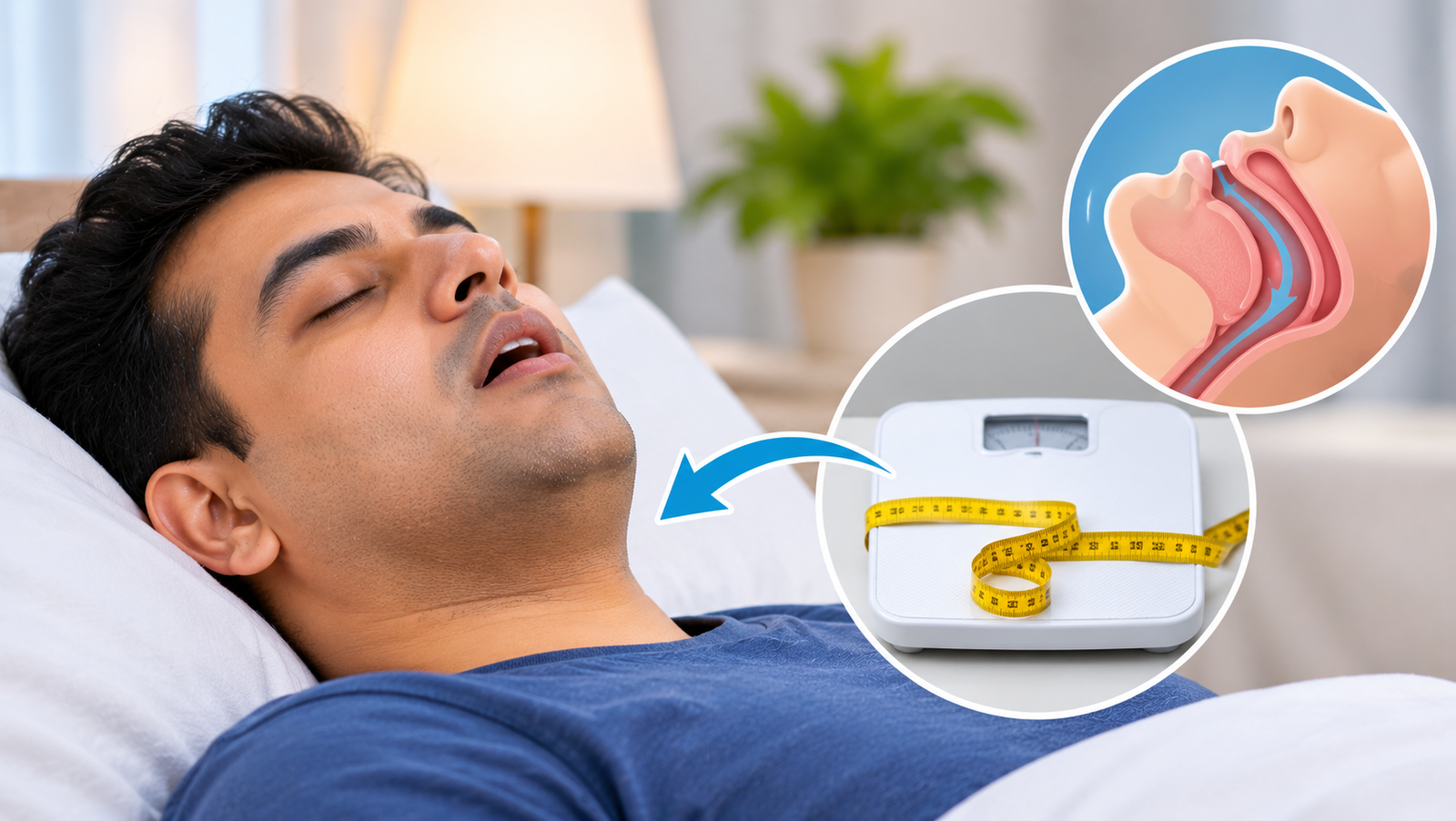
Obstructive sleep apnea is common in people with obesity, and weight loss surgery may reduce its severity or lead to remission. A sleep study before surgery helps identify breathing problems that may increase anaesthesia risks. Some patients may reduce or discontinue CPAP after weight loss following specialist reassessment.
People considering sleep apnea weight loss surgery in Surat often want to know whether losing weight can improve their breathing, reduce snoring and help them sleep comfortably.
Although weight loss can provide significant health benefits, sleep apnea requires proper diagnosis, treatment and long-term monitoring.
Dr. Vikram Lotwala at Wings Hospital, Adajan, can assess bariatric surgery eligibility and help patients understand the relationship between obesity, sleep apnea and weight management.
How Obesity Causes Sleep Apnea
Obstructive sleep apnea (OSA) is a condition in which the upper airway repeatedly becomes partially or completely blocked during sleep.
These interruptions can reduce oxygen levels and disturb normal sleep patterns. A person may wake repeatedly without remembering these episodes the following morning.
Excess Fat Around the Upper Airway
Obesity can contribute to fat accumulation around the neck, tongue and surrounding tissues. This may narrow the airway and make it more likely to collapse when throat muscles relax during sleep.
Excess abdominal weight can also affect lung volumes and breathing mechanics, particularly when lying down.
However, obesity is not the only cause of sleep apnea. Jaw structure, enlarged tonsils, age, genetics and other medical factors may also contribute.
How Sleep Apnea Affects Overall Health
Untreated obstructive sleep apnea may be associated with:
-
High blood pressure.
-
Cardiovascular problems.
-
Poor blood sugar control.
-
Excessive daytime sleepiness.
-
Difficulty concentrating.
-
Increased risk of road accidents due to drowsiness.
-
Reduced quality of life.
Managing obesity may help reduce some of these risks, but patients should continue receiving appropriate sleep apnea treatment.
People exploring sleep apnea weight loss surgery in Surat can discuss whether surgical weight management is appropriate alongside their existing sleep-related treatment.
Signs: Loud Snoring, Daytime Sleepiness
Snoring is a common symptom of obstructive sleep apnea, but not everyone who snores has the condition.
The combination of loud snoring, interrupted breathing and daytime tiredness may indicate the need for further evaluation.
Night-Time Symptoms
Family members or partners may notice:
-
Loud and frequent snoring.
-
Pauses in breathing during sleep.
-
Sudden gasping or choking sounds.
-
Restless sleep.
-
Frequent awakenings.
-
Repeated visits to the bathroom at night.
Daytime Symptoms
People with sleep apnea may experience morning headaches, dry mouth, poor concentration, irritability or persistent tiredness despite spending enough time in bed.
Excessive sleepiness while driving or operating machinery is particularly concerning. Avoid these activities when drowsy and seek medical assessment.
Sleep Apnea Symptom Checklist
The following checklist is based on STOP-BANG-style screening questions. It can help identify concerns that should be discussed with a healthcare professional.
| Screening Question | Yes/No |
|---|---|
| Do you snore loudly or frequently? | |
| Do you often feel tired or sleepy during the day? | |
| Has someone noticed pauses in your breathing during sleep? | |
| Do you have high blood pressure? | |
| Is your BMI above the recommended screening threshold? | |
| Is your age above the recommended screening threshold? | |
| Do you have a large neck circumference? | |
| Are you male? |
[Doctor to confirm screening thresholds and assessment criteria.]
This checklist cannot diagnose sleep apnea or determine its severity. A healthcare professional may recommend a formal sleep assessment based on your symptoms and medical history.
Sleep Study Before Surgery
Identifying obstructive sleep apnea before bariatric surgery is important because the condition can increase breathing-related risks during anaesthesia and postoperative recovery.
Patients with suspected or previously diagnosed sleep apnea should inform their surgeon and anaesthesiologist.
What Does a Sleep Study Measure?
A sleep study, also known as polysomnography, records several physiological changes during sleep.
Depending on the type of investigation, it may monitor:
-
Breathing patterns.
-
Blood oxygen levels.
-
Heart rate.
-
Sleep stages.
-
Episodes of reduced or interrupted airflow.
-
Body movements during sleep.
Selected patients may undergo home sleep apnea testing, while others require an overnight laboratory-based sleep study.
Why Preoperative Assessment Matters
Knowing whether sleep apnea is present helps the medical team plan anaesthesia, airway management, pain relief and postoperative monitoring.
Patients already using CPAP should provide information about their machine settings, treatment adherence and previous sleep study results.
The anaesthesia team may recommend bringing the CPAP machine to the hospital.
People considering sleep apnea weight loss surgery in Surat should understand that sleep apnea assessment is one component of comprehensive surgical preparation.
Additional information about preoperative evaluation and risk management is available in our guide to bariatric surgery safety.
What Changes After Weight Loss
Bariatric surgery supports substantial weight loss in appropriately selected patients through changes in digestive anatomy, appetite regulation and metabolic function.
As excess weight decreases, pressure around the upper airway may reduce, potentially improving breathing during sleep.
Potential Improvements After Bariatric Surgery
Patients may experience:
-
Reduced snoring.
-
Fewer breathing interruptions during sleep.
-
Improved sleep quality.
-
Reduced daytime tiredness.
-
Better physical activity tolerance.
-
Improvement in obesity-related medical conditions.
The extent of improvement depends on factors such as initial sleep apnea severity, weight loss achieved, airway anatomy and other medical conditions.
Explore the conditions that improve after bariatric surgery for additional information about obesity-related health concerns.
Does Weight Loss Surgery Cure Sleep Apnea?
Weight loss surgery can improve obstructive sleep apnea, and some patients may achieve remission. However, not everyone experiences complete resolution.
Persistent sleep apnea may occur even after substantial weight loss, particularly when anatomical factors or other health conditions contribute to airway obstruction.
| Before Weight Loss | Possible Changes After Weight Loss |
|---|---|
| Frequent loud snoring | Reduced snoring |
| Repeated airway obstruction | Fewer breathing interruptions |
| Excessive daytime tiredness | Improved daytime alertness |
| Disturbed sleep | Better sleep quality |
| CPAP requirement | Possible adjustment after reassessment |
| Obesity-related breathing difficulties | Improved breathing in selected patients |
These are potential improvements rather than guaranteed outcomes.
Patients exploring sleep apnea weight loss surgery in Surat should discuss realistic expectations and long-term follow-up requirements before choosing a procedure.
CPAP Before and After Surgery: Sleep Apnea and Obesity Care in Pal Surat
Continuous positive airway pressure (CPAP) therapy delivers pressurised air through a mask to help keep the upper airway open during sleep.
It remains an important treatment for many people with obstructive sleep apnea.
CPAP Before Bariatric Surgery
Patients who have been prescribed CPAP should continue using it according to their sleep specialist's instructions.
Consistent treatment may help manage breathing interruptions and improve sleep-related symptoms before surgery.
The surgical team should know about existing CPAP treatment so that appropriate postoperative arrangements can be made.
CPAP After Bariatric Surgery
As weight decreases, some patients may require changes to their CPAP pressure settings. Others may continue to need treatment despite improvements in snoring or daytime tiredness.
Do not stop using CPAP simply because you have lost weight or your partner notices less snoring.
A repeat sleep assessment may be necessary to determine whether obstructive sleep apnea remains present.
Long-Term Weight and Sleep Management
Maintaining a balanced diet, regular physical activity, prescribed nutritional supplements and scheduled medical follow-ups supports long-term bariatric care.
Patients can discuss eligibility, procedure selection and recovery through a consultation for bariatric surgery in Surat.
Medical evidence summary: Bariatric surgery may improve obstructive sleep apnea through sustained weight loss. However, continued CPAP use and repeat sleep assessment may be necessary because reduced snoring alone does not confirm that sleep apnea has resolved.
Conclusion
For eligible patients, sleep apnea weight loss surgery in Surat may help address obesity and improve sleep-related breathing problems.
However, bariatric surgery should not be considered a guaranteed cure for obstructive sleep apnea. Appropriate screening, prescribed CPAP therapy and postoperative reassessment remain essential.
Dr. Vikram Lotwala at Wings Hospital, Adajan, can help patients understand their bariatric treatment options and the importance of coordinated sleep apnea management.
Frequently Asked Questions
Will surgery cure my snoring?
Weight loss surgery may reduce snoring by decreasing excess fat around the upper airway and improving breathing during sleep. However, snoring can also result from anatomical or nasal problems. Complete resolution is not guaranteed, and persistent snoring or breathing interruptions require further medical assessment.
Do I need a sleep study?
A sleep study may be recommended if you experience loud snoring, daytime sleepiness or witnessed breathing pauses. Patients seeking sleep apnea and obesity care in pal surat should discuss these symptoms with their healthcare provider, particularly before bariatric surgery, to determine whether formal sleep testing is necessary.
Can I stop CPAP after surgery?
You should not stop CPAP independently after bariatric surgery. Although weight loss may improve sleep apnea, breathing interruptions can remain present without obvious symptoms. A sleep specialist may recommend repeat testing and assess whether your CPAP pressure needs adjustment or whether treatment can safely be discontinued.
Is sleep apnea a risk during surgery?
Obstructive sleep apnea can increase breathing-related risks during anaesthesia and postoperative recovery. However, identifying the condition before surgery allows the medical team to plan appropriate precautions, airway management and monitoring. Patients should disclose their symptoms, sleep study results and existing CPAP treatment before surgery.
Consult Dr. Vikram Lotwala
Advanced bariatric, hernia and laparoscopic surgical care in Surat.