
Do You Gain Weight After Gallbladder Removal? Facts for Surat Patients
Dr. Vikram Lotwala
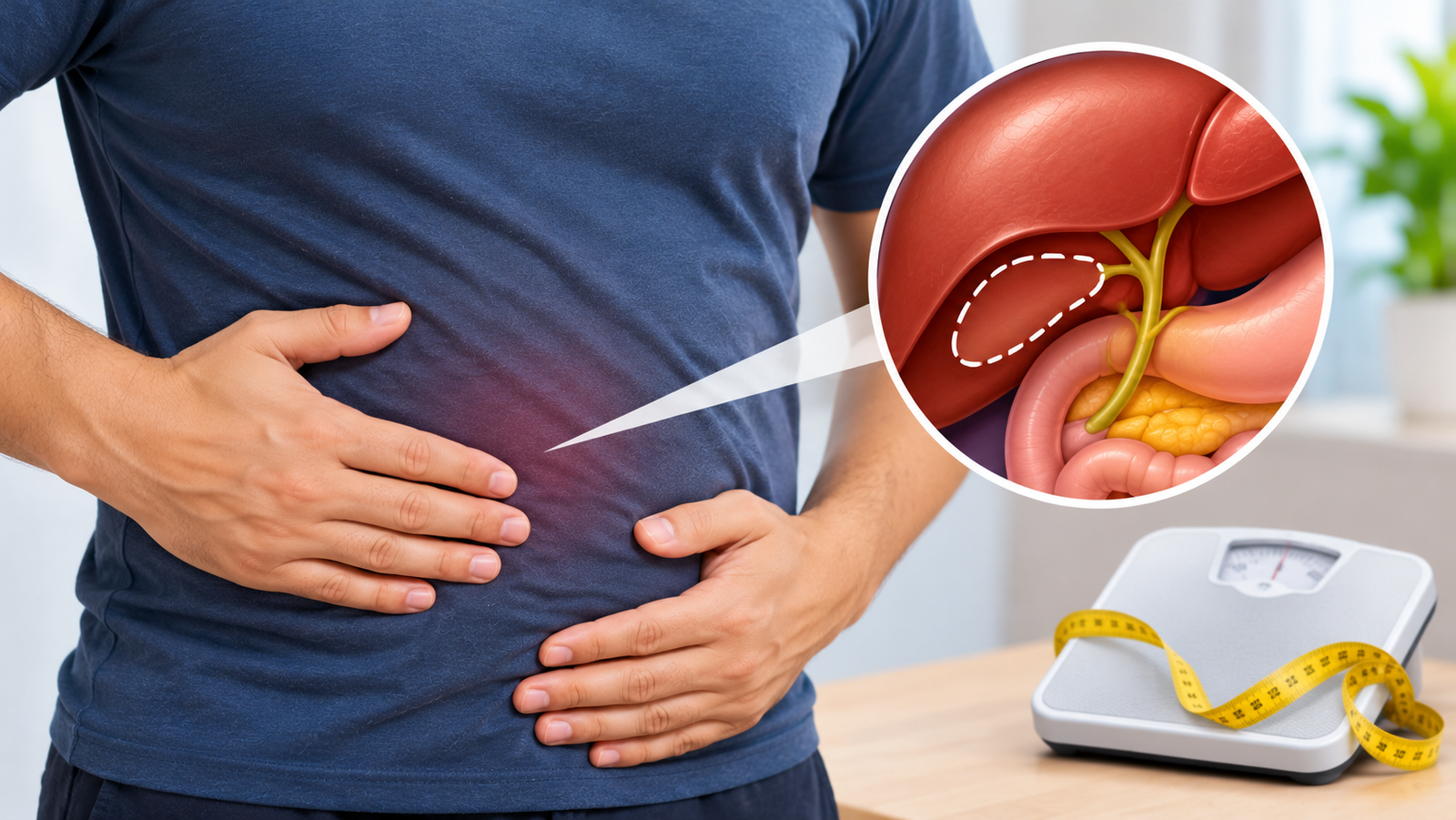
Gallbladder removal does not inevitably cause weight gain. Some patients gain weight because their appetite improves once gallstone-related pain stops, while others become less active during recovery. Eating balanced meals, controlling portions and gradually returning to physical activity can support healthy weight management after gallbladder surgery.
Patients concerned about weight gain after gallbladder removal in Surat should understand how digestion, eating habits and lifestyle changes may influence their body weight following surgery.
Dr. Vikram Lotwala at Wings Hospital, Adajan, can help patients understand postoperative digestive changes and appropriate weight management strategies.
Why Some People Gain Weight
Gallbladder removal, medically known as cholecystectomy, is commonly performed to treat symptomatic gallstones and related complications. See how gallbladder stone surgery in Surat is planned at Wings Hospital.
Although the operation does not directly increase calorie intake, several changes following surgery may contribute to weight gain.
Improved Appetite After Surgery
Before surgery, patients may avoid certain foods because eating triggers abdominal pain, nausea or digestive discomfort.
Once these symptoms improve, appetite may return. Some patients begin eating larger portions or consuming foods they previously avoided.
Regularly consuming more calories than the body needs can gradually increase body weight.
Reduced Physical Activity
Patients may temporarily reduce physical activity during postoperative recovery. Spending more time resting while maintaining the same calorie intake can contribute to weight changes.
Activity should be increased gradually according to the surgeon's instructions.
Returning to Previous Eating Habits
Fried snacks, sweets, sugary beverages and large meals can contribute to excess calorie consumption.
People experiencing weight gain after gallbladder removal in Surat should review their eating habits and activity levels rather than assuming the operation alone is responsible.
Persistent or unexplained weight changes may require medical assessment.
Digestion Without a Gallbladder
The gallbladder stores and concentrates bile produced by the liver. Bile helps the digestive system process dietary fats.
After gallbladder removal, the liver continues producing bile. However, instead of being stored in the gallbladder, bile flows directly into the small intestine.
Most patients can digest a balanced diet without a gallbladder, although some experience temporary digestive changes.
Common Digestive Changes
Following surgery, patients may experience:
-
Abdominal bloating.
-
Increased gas.
-
Loose stools.
-
Discomfort after fatty meals.
-
Changes in bowel habits.
Large, high-fat meals may be more difficult to tolerate, particularly during early recovery.
These symptoms do not necessarily mean that metabolism has slowed or that the body is storing more fat.
Patients can follow this guide to diet after gallbladder surgery for practical information about food choices during recovery.
Persistent diarrhoea may sometimes be related to bile acids entering the colon. Medical treatment may be required if symptoms continue.
Eating Habits That Prevent Weight Gain
Managing weight gain after gallbladder removal in Surat involves developing sustainable eating habits that support digestion and maintain an appropriate calorie intake.
Choose Smaller, Balanced Meals
Smaller meals may be easier to tolerate during early recovery. Include suitable protein sources, vegetables, whole grains and other nutritious foods according to individual tolerance.
Avoid overeating simply because previous gallstone-related discomfort has improved.
Limit Excess Dietary Fat
Patients do not necessarily need a permanently low-fat diet after gallbladder removal. However, limiting deep-fried foods and introducing fats gradually may improve digestive comfort.
Choose moderate amounts of healthy fats instead of regularly consuming heavy gravies, fried farsan and oily snacks.
Daily Habit Checklist
| Healthy Habit | Daily Check |
|---|---|
| Eat balanced meals in suitable portions | ☐ |
| Limit fried and excessively oily foods | ☐ |
| Include suitable protein sources | ☐ |
| Increase dietary fibre gradually | ☐ |
| Drink adequate water | ☐ |
| Avoid excessive sugary beverages | ☐ |
| Walk according to medical advice | ☐ |
| Maintain regular meal timings | ☐ |
| Avoid unnecessary late-night snacking | ☐ |
| Monitor digestive symptoms | ☐ |
Regularly reviewing these habits can help patients identify behaviours that contribute to unwanted weight changes.
Losing Weight After Gallbladder Surgery
Patients who were overweight before surgery may wish to begin a structured weight loss programme after recovery.
However, immediate postoperative care should focus on healing, hydration and adequate nutrition rather than aggressive calorie restriction.
Start With Gentle Physical Activity
Walking is often encouraged during recovery, depending on the patient's medical condition and surgical instructions.
More demanding activities, including gym workouts and strength training, should resume only when appropriate for the type of surgery and recovery progress.
Read our guide to gallbladder surgery recovery for additional postoperative care information.
Avoid Crash Diets
Extremely restrictive diets can reduce nutrient intake and make it difficult to maintain energy levels during recovery.
A gradual approach to weight management generally includes:
-
Appropriate portion control.
-
Adequate protein intake.
-
Regular physical activity.
-
Reduced consumption of processed foods.
-
Consistent sleeping habits.
-
Individualised nutritional guidance.
Patients managing weight gain after gallbladder removal in Surat should discuss realistic weight loss goals with their healthcare provider.
When to See a Dietitian: Gallbladder Removal and Weight in Vesu Surat
A dietitian can help patients balance digestive comfort with their nutritional and weight management requirements.
Professional dietary guidance may be particularly useful for patients experiencing:
-
Persistent weight gain.
-
Unintentional weight loss.
-
Frequent bloating or diarrhoea.
-
Difficulty tolerating certain foods.
-
Diabetes or other metabolic conditions.
-
Difficulty planning balanced meals.
Consulting a dietitian in Surat can help patients develop a sustainable eating plan based on their medical history, food preferences and recovery stage.
Seek medical attention for persistent abdominal pain, fever, jaundice, repeated vomiting or severe diarrhoea. These symptoms should not be managed through dietary changes alone.
Conclusion
Managing weight gain after gallbladder removal in Surat requires balanced nutrition, appropriate physical activity and an understanding of postoperative digestive changes.
Gallbladder removal does not inevitably cause weight gain, and most patients can return to a varied, balanced diet according to individual tolerance.
Dr. Vikram Lotwala at Wings Hospital, Adajan, can provide postoperative guidance and recommend further assessment when digestive symptoms or weight changes persist.
Frequently Asked Questions
Does metabolism slow after gallbladder removal?
Gallbladder removal does not necessarily slow metabolism. The operation changes how bile enters the digestive system rather than directly controlling calorie expenditure. Weight changes may result from altered eating habits, physical activity or other health conditions. Persistent unexplained weight gain should be discussed with a healthcare professional.
Can I diet after surgery?
Yes, but early recovery should prioritise adequate nutrition and healing rather than restrictive dieting. Patients seeking guidance on gallbladder removal and weight in vesu surat should discuss their recovery progress with a surgeon or dietitian before starting a calorie-controlled diet or structured weight loss programme.
Why do I feel bloated?
Bloating after gallbladder removal may occur because of digestive adjustments, large meals, fatty foods or temporary postoperative changes. Eating smaller portions and identifying individual food triggers may help. Persistent bloating, particularly when accompanied by abdominal pain, vomiting or significant bowel changes, requires medical assessment.
Is weight loss normal after surgery?
Temporary weight loss may occur after gallbladder surgery because of reduced appetite, dietary changes or recovery-related factors. However, ongoing or significant unintentional weight loss should not be ignored. A healthcare professional can assess nutritional intake, digestive symptoms and other possible causes requiring further investigation.
Consult Dr. Vikram Lotwala
Advanced bariatric, hernia and laparoscopic surgical care in Surat.