
Acid Reflux After Sleeve Gastrectomy: Causes and Treatment (Surat)
Dr. Vikram Lotwala
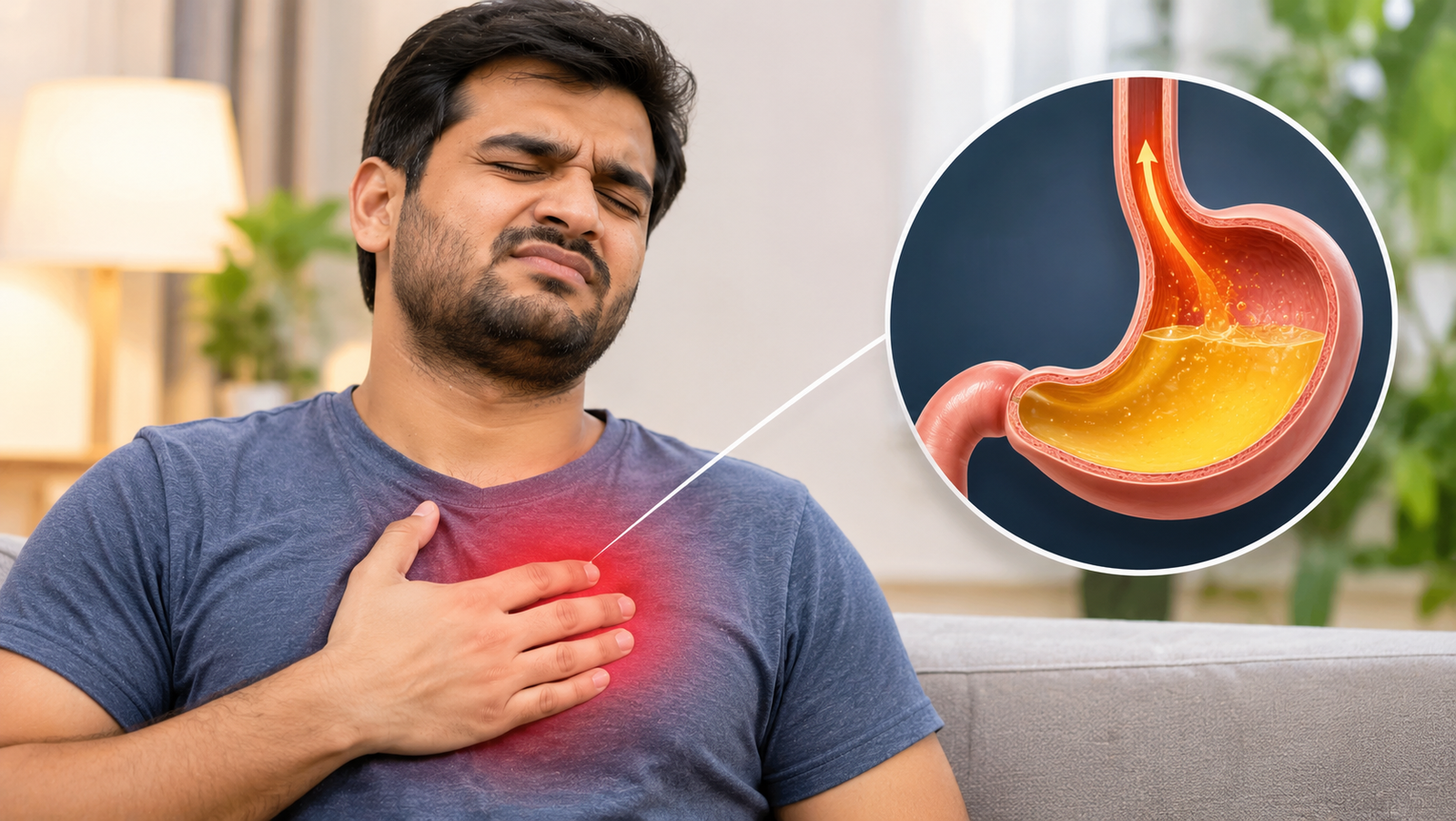
Some patients develop new or worsening acid reflux after sleeve gastrectomy because the procedure changes stomach anatomy and may increase pressure inside the stomach. Dietary changes and prescribed medicines can help manage symptoms, while persistent or severe reflux may require further investigations or conversion to gastric bypass.
Patients experiencing acid reflux after sleeve gastrectomy in Surat should understand that occasional heartburn and persistent gastroesophageal reflux disease (GERD) require different levels of medical attention.
Recognising symptoms early can help prevent complications and improve postoperative comfort.
Dr. Vikram Lotwala at Wings Hospital, Adajan, can assess reflux symptoms following bariatric surgery and recommend appropriate treatment based on individual medical requirements.
Why Reflux Happens After a Sleeve
During sleeve gastrectomy, a large portion of the stomach is removed, leaving a narrow, tube-shaped stomach. Although this helps reduce food intake, it may also change how pressure builds inside the stomach.
These anatomical changes can allow stomach contents to flow backwards into the oesophagus.
Common Causes of Reflux After Gastric Sleeve
Several factors may contribute to reflux following surgery:
-
Increased pressure inside the smaller stomach.
-
Changes in the natural anti-reflux mechanism.
-
An existing or newly developed hiatal hernia.
-
Narrowing or twisting of the gastric sleeve.
-
Eating large portions or consuming food too quickly.
-
Pre-existing gastroesophageal reflux disease.
Patients can learn more about the procedure and its anatomical changes through this guide to gastric sleeve surgery.
Common Symptoms of GERD After Sleeve
Symptoms may include:
-
Burning discomfort behind the breastbone.
-
Sour or bitter taste in the mouth.
-
Regurgitation of stomach contents.
-
Discomfort after meals.
-
Night-time coughing.
-
Throat irritation.
-
Difficulty swallowing.
Not every patient develops reflux following surgery. However, patients experiencing acid reflux after sleeve gastrectomy in Surat should seek assessment if symptoms become frequent, persistent or interfere with eating and sleeping.
Eating Habits That Help
Dietary modifications are often part of the initial approach to managing heartburn after bariatric surgery.
Following the prescribed postoperative diet and avoiding individual food triggers may help reduce reflux episodes.
Eat Smaller Meals
The stomach has a reduced capacity after sleeve gastrectomy. Eating beyond comfortable fullness can increase pressure and contribute to regurgitation.
Eat slowly, chew food thoroughly when your diet stage permits and stop eating when comfortably satisfied.
Avoid Lying Down Immediately After Eating
Remaining upright after meals may reduce the likelihood of stomach contents flowing backwards into the oesophagus.
Avoid eating close to bedtime and discuss suitable sleeping positions with your healthcare provider if you experience night-time reflux.
Reflux Trigger and Relief Food Table
| Potential Reflux Triggers | Better-Tolerated Alternatives |
|---|---|
| Spicy foods | Mildly seasoned meals |
| Deep-fried snacks | Steamed or low-fat foods |
| Carbonated beverages | Plain water |
| Strong tea and coffee | Suitable non-caffeinated beverages |
| Citrus fruits | Non-acidic fruits, if tolerated |
| Chocolate | Suitable low-fat snacks |
| Tomato-based sauces | Mild vegetable preparations |
| Large meals | Smaller, controlled portions |
| High-fat gravies | Light, low-fat preparations |
| Peppermint | Non-mint alternatives |
Food triggers vary between individuals. Patients should only introduce foods permitted during their current postoperative dietary stage.
Patients managing acid reflux after sleeve gastrectomy in Surat may benefit from maintaining a food diary to identify meals associated with worsening symptoms.
Medicines and How Long to Take Them
Doctors may prescribe acid-reducing medicines to manage reflux symptoms and protect the oesophagus from acid-related irritation.
The choice of medication depends on symptom severity, medical history and postoperative findings.
Proton Pump Inhibitors
Proton pump inhibitors, commonly called PPIs, reduce stomach acid production. They are frequently used to manage GERD following sleeve gastrectomy.
These medicines should be taken according to the prescribed dose, formulation and timing.
Other Reflux Medicines
Depending on individual requirements, doctors may recommend:
-
H2 receptor blockers.
-
Antacids.
-
Alginate-based medicines.
These treatments may provide symptom relief, but they do not correct structural problems such as sleeve narrowing or an associated hiatal hernia.
How Long Is Medication Required?
Some patients require medication during postoperative recovery, while others may need longer-term treatment.
The duration depends on symptoms, treatment response and investigation results.
Do not independently increase, discontinue or repeatedly restart reflux medicines without discussing your symptoms with your bariatric surgeon.
Tests if Reflux Continues: Reflux After Sleeve Surgery in Athwa Surat
Persistent reflux despite dietary changes and prescribed medicines may require further investigation.
The purpose of testing is to identify acid-related damage, structural abnormalities or other conditions that may contribute to symptoms.
Investigations for Persistent Reflux
| Investigation | Purpose |
|---|---|
| Upper GI endoscopy | Examine the oesophagus and stomach for inflammation or structural problems |
| Contrast swallow study | Assess sleeve shape, narrowing and passage of contrast |
| Oesophageal pH monitoring | Measure acid exposure in the oesophagus |
| pH-impedance monitoring | Assess acid and non-acid reflux episodes |
| Oesophageal manometry | Evaluate oesophageal muscle function when indicated |
Not every patient requires all these investigations.
Patients seeking treatment for acid reflux after sleeve gastrectomy in Surat should undergo an individualised assessment before deciding on further medical or surgical treatment.
Warning Signs That Require Medical Attention
Seek prompt medical assessment if you experience:
-
Persistent vomiting.
-
Increasing difficulty swallowing.
-
Repeated regurgitation.
-
Inability to tolerate food or fluids.
-
Persistent upper abdominal pain.
Severe chest pain, vomiting blood, black stools, fainting or inability to maintain hydration may indicate a serious medical problem and require urgent or emergency medical attention.
Do not assume that severe chest pain is simply acid reflux.
When Conversion to Bypass Is Advised
Most patients should undergo appropriate medical assessment and treatment before considering another bariatric operation.
However, selected patients with persistent, medically refractory GERD may benefit from conversion of sleeve gastrectomy to Roux-en-Y gastric bypass.
Gastric bypass changes the digestive anatomy and can reduce acid reflux in appropriately selected patients, although complete symptom resolution is not guaranteed.
When Revisional Surgery May Be Considered
-
Persistent reflux despite appropriate medical treatment.
-
Significant reflux-related oesophageal inflammation.
-
Structural problems involving the gastric sleeve.
-
An associated hiatal hernia requiring surgical assessment.
-
Reflux symptoms that substantially affect daily life.
The surgeon considers investigation findings, body weight, nutritional status, previous surgery and overall medical fitness.
Learn more about revision bariatric surgery and the role of gastric bypass surgery in selected patients.
Revisional surgery carries potential risks and requires long-term nutritional monitoring.
Conclusion
Managing acid reflux after sleeve gastrectomy in Surat requires appropriate dietary habits, prescribed medication and timely medical assessment.
While some patients experience improvement with conservative treatment, persistent reflux may require further investigations or revisional surgery.
Dr. Vikram Lotwala at Wings Hospital, Adajan, can evaluate postoperative reflux symptoms and discuss suitable treatment options based on individual medical needs.
Frequently Asked Questions
Is reflux common after sleeve?
Acid reflux is a recognised complication following sleeve gastrectomy. Some patients develop new symptoms, while others experience worsening of existing GERD. The likelihood varies according to stomach anatomy, surgical factors and individual health. Persistent heartburn or regurgitation should be discussed with the bariatric surgeon.
Can reflux go away with time?
Reflux symptoms may improve with postoperative recovery, dietary modifications and prescribed medication. However, some patients experience persistent or worsening symptoms. Patients seeking treatment for reflux after sleeve surgery in athwa surat should undergo medical assessment if symptoms continue despite following their recommended postoperative care plan.
Should people with GERD choose bypass?
Roux-en-Y gastric bypass may be a more suitable bariatric procedure for selected patients with significant pre-existing GERD. However, the decision depends on reflux severity, investigation findings, body weight and overall health. A bariatric surgeon should assess individual risks and benefits before recommending either procedure.
Which foods trigger reflux?
Spicy foods, fried meals, chocolate, caffeinated drinks, carbonated beverages and acidic foods may trigger reflux in some patients. Individual tolerance varies, so maintaining a food diary can help identify specific triggers. All dietary changes should follow the recommended postoperative bariatric diet and nutritional requirements.
Consult Dr. Vikram Lotwala
Advanced bariatric, hernia and laparoscopic surgical care in Surat.