
Loose Skin After Bariatric Surgery: What Happens and What Helps (Surat)
Dr. Vikram Lotwala
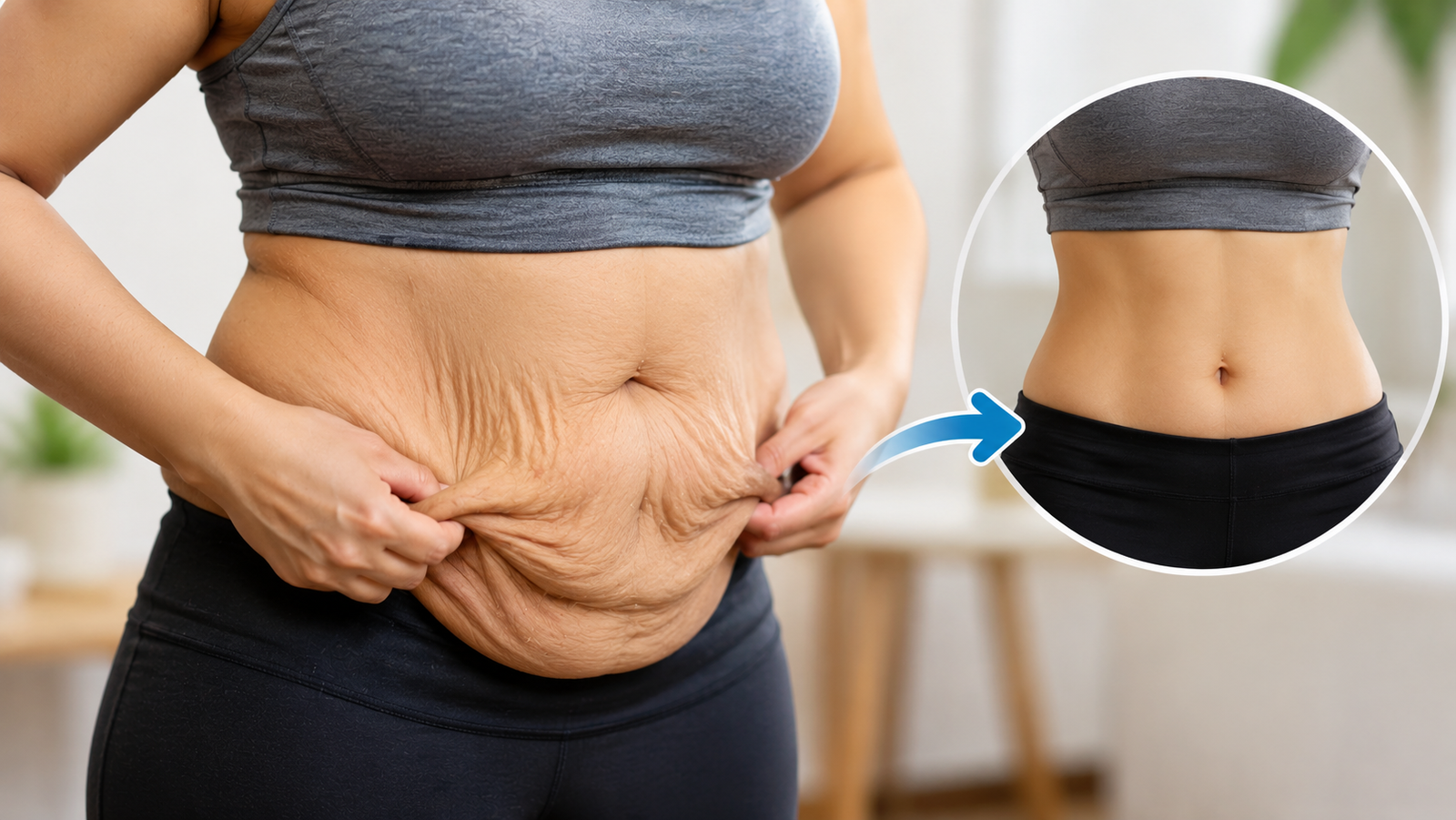
Loose skin after bariatric surgery depends on age, skin elasticity and the amount of weight lost. Exercise, strength training and adequate protein intake may improve body contour, but substantial excess skin may require body contouring surgery once weight has stabilised and nutritional health is adequate.
Significant weight loss following bariatric surgery can improve mobility, physical health and quality of life. However, some patients develop loose skin around their abdomen, arms, thighs and other body areas.
Patients concerned about loose skin after bariatric surgery in Surat should understand that excess skin is a natural consequence of substantial weight loss and does not mean that their bariatric surgery has failed.
Dr. Vikram Lotwala at Wings Hospital, Adajan, can provide postoperative guidance and recommend further specialist assessment when necessary.
Why Skin Stays Loose
Skin contains collagen and elastin, which help maintain its strength, flexibility and elasticity.
When a person gains significant weight, the skin stretches to accommodate increased body volume. Following substantial weight loss, the skin may not completely return to its previous shape.
Several factors influence how much excess skin develops after bariatric surgery.
Amount of Weight Lost
Patients who lose a substantial amount of weight may develop more noticeable skin folds because their skin has stretched considerably.
Watch this 45 kg weight loss story to understand an individual patient's weight loss experience. Results vary between patients.
Age and Genetics
Skin elasticity naturally decreases with age. Genetics also influence how well skin adapts to changes in body size.
Younger patients may experience greater natural skin contraction, although this is not guaranteed.
Duration of Obesity
Skin that has remained stretched for several years may have a reduced ability to contract after weight loss.
Smoking, sun exposure and nutritional deficiencies may also affect skin health.
Patients experiencing loose skin after bariatric surgery in Surat should focus on maintaining healthy weight loss and nutritional recovery rather than trying to accelerate skin tightening.
Areas Most Affected
Excess skin after weight loss surgery can develop in several areas of the body.
| Body Area | Common Concerns |
|---|---|
| Abdomen | Hanging skin folds and irritation |
| Upper arms | Loose or sagging skin |
| Thighs | Skin rubbing and discomfort |
| Chest | Changes in shape and firmness |
| Buttocks | Reduced volume and loose skin |
| Back | Excess skin folds |
| Face and neck | Reduced skin firmness |
For some patients, loose skin is primarily an appearance-related concern. Others experience practical difficulties, including skin irritation, problems maintaining hygiene and discomfort during exercise.
Moisture trapped between skin folds may contribute to rashes or fungal infections.
Keeping these areas clean and dry, wearing breathable clothing and seeking treatment for persistent irritation can help maintain skin health.
Understanding the complete bariatric weight loss journey can help patients prepare for physical changes during postoperative recovery.
What Exercise and Diet Can Do
Patients frequently ask whether skin tightening after bariatric surgery is possible without another operation.
Exercise and nutrition can support healthy skin and improve body shape, but they cannot reliably remove substantial excess skin.
Strength Training
Resistance exercises help maintain or build muscle mass following weight loss.
Depending on medical clearance, suitable activities may include:
-
Resistance band exercises.
-
Light weight training.
-
Supported squats.
-
Gradual core strengthening.
-
Walking and other cardiovascular activities.
Improved muscle tone may make some areas appear firmer. However, exercise does not directly remove hanging skin folds.
Adequate Protein Intake
Protein supports muscle maintenance, tissue repair and normal skin function.
Suitable protein sources may include eggs, paneer, curd, tofu, pulses and prescribed protein supplements, depending on the postoperative diet stage.
Hydration and Supplements
Adequate hydration and prescribed bariatric supplements support general health and nutritional recovery.
Patients managing loose skin after bariatric surgery in Surat should avoid unverified skin-tightening supplements, crash diets and products promising rapid results.
Moisturisers may improve skin comfort and dryness, but they cannot eliminate substantial excess skin.
When to Consider Body Contouring
Body contouring after weight loss involves surgical procedures designed to remove excess skin and reshape selected body areas.
It may be considered when loose skin causes persistent physical discomfort, hygiene difficulties, recurrent irritation or significant concerns about body appearance.
Common Body Contouring Procedures
| Procedure | Treatment Area |
|---|---|
| Abdominoplasty | Excess abdominal skin and selected abdominal wall concerns |
| Panniculectomy | Hanging lower abdominal skin |
| Arm lift | Excess upper arm skin |
| Thigh lift | Loose skin around the thighs |
| Breast lift | Sagging breast tissue and skin |
| Lower body lift | Selected abdominal, hip and buttock areas |
The appropriate procedure depends on the amount of excess skin, medical fitness, nutritional status and individual treatment goals.
Liposuction alone generally does not correct substantial loose skin because it primarily removes fat rather than excess skin.
Read about liposuction vs bariatric surgery to understand the differences between fat removal and surgical weight loss.
Patients considering treatment for loose skin after bariatric surgery in Surat should discuss their concerns with their bariatric team and a qualified plastic surgeon.
Body contouring carries potential risks, including bleeding, infection, delayed wound healing, fluid collection and permanent surgical scars.
Timing and Planning: Excess Skin Care After Weight Loss in Citylight Surat
Body contouring should generally be planned after substantial weight loss has ended, weight has stabilised and nutritional deficiencies have been addressed.
For many patients, assessment may become appropriate around 12–18 months after bariatric surgery, provided their weight is stable and they are medically fit.
Checklist Before Planning Body Contouring
| Requirement | What to Check |
|---|---|
| Weight stability | Confirm that significant weight loss has ended |
| Protein intake | Meet prescribed nutritional targets |
| Blood investigations | Identify and correct nutritional deficiencies |
| Medical fitness | Complete the recommended preoperative assessment |
| Skin health | Treat active rashes or infections |
| Smoking | Follow the surgeon's cessation instructions |
| Expectations | Understand potential results and permanent scars |
| Recovery planning | Arrange assistance and work leave |
| Insurance | Obtain written confirmation of coverage |
| Specialist consultation | Consult a qualified plastic surgeon |
Dr. Vikram Lotwala at Wings Hospital can assess postoperative weight loss progress and nutritional recovery before recommending further specialist evaluation.
Conclusion
Managing loose skin after bariatric surgery in Surat requires realistic expectations, adequate nutrition, regular physical activity and appropriate medical guidance.
While exercise and healthy eating can improve body contour and support skin health, substantial excess skin may require surgical assessment.
Dr. Vikram Lotwala at Wings Hospital, Adajan, can guide patients through postoperative recovery, nutritional monitoring and long-term weight management.
Frequently Asked Questions
Will my skin shrink back?
Some skin may gradually contract after weight loss, particularly when elasticity remains good. However, substantial excess skin may not disappear naturally. Age, genetics, previous weight and skin quality influence the outcome. Exercise can improve muscle tone, but surgical removal may be necessary for significant hanging skin.
Do creams work?
Skin moisturisers may improve hydration, texture and comfort, but creams cannot reliably remove substantial excess skin following bariatric surgery. Products claiming dramatic skin tightening should be approached cautiously. Patients with persistent skin folds, irritation or discomfort should discuss appropriate treatment options with a qualified healthcare professional.
When can I plan skin removal?
Skin removal surgery is generally considered after weight has stabilised and nutritional health is adequate. Patients seeking excess skin care after weight loss in citylight surat should discuss surgical timing, blood investigations and medical fitness with their healthcare team before planning body contouring. Individual recovery requirements vary.
Does insurance cover skin removal?
Insurance coverage depends on the policy, procedure and documented medical necessity. Cosmetic body contouring is often excluded, while selected procedures addressing significant functional problems may qualify under certain policies. Patients should obtain written confirmation from their insurer before scheduling surgery. Coverage cannot be guaranteed without individual assessment.
Consult Dr. Vikram Lotwala
Advanced bariatric, hernia and laparoscopic surgical care in Surat.