
Hair Loss After Bariatric Surgery: Why It Happens and How to Reduce It (Surat)
Dr. Vikram Lotwala
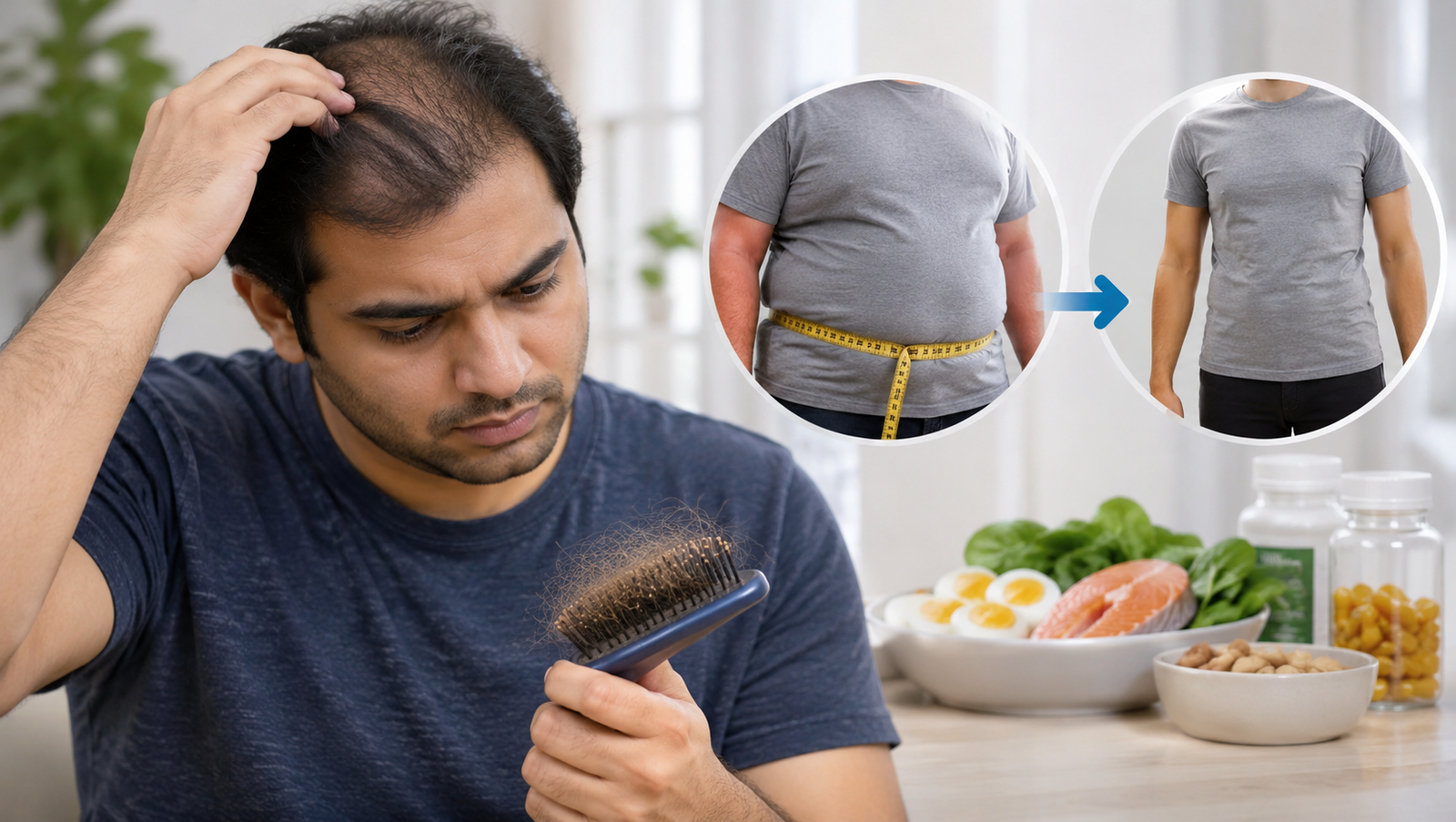
Hair loss after bariatric surgery commonly occurs between the third and sixth months and is usually temporary. Rapid weight loss, surgical stress and deficiencies in protein, iron or zinc may contribute to hair shedding. Meeting nutritional targets and taking prescribed supplements may support healthy hair regrowth.
Patients experiencing hair loss after bariatric surgery in Surat may feel concerned when they notice more hair on their pillows, combs or bathroom floors.
Although postoperative hair shedding can be distressing, it does not necessarily indicate a serious complication. Understanding its causes and maintaining proper nutrition can help patients manage this phase.
Dr. Vikram Lotwala at Wings Hospital, Adajan, can assess postoperative recovery and recommend appropriate nutritional monitoring.
Why Hair Falls After Surgery
Hair loss after weight loss surgery is frequently associated with a condition called telogen effluvium. This occurs when physical or nutritional stress causes more hair follicles to enter their resting phase.
As a result, increased hair shedding may become noticeable several months after surgery.
Rapid Weight Loss
Following bariatric surgery, the body experiences significant changes in calorie intake, metabolism and body weight.
These changes may temporarily affect the normal hair growth cycle.
Hair shedding can occur even when patients are following their recommended postoperative diet.
Nutritional Deficiencies
Reduced food intake and changes in nutrient absorption may contribute to deficiencies after bariatric surgery.
Common nutritional concerns include inadequate:
-
Protein.
-
Iron.
-
Zinc.
-
Vitamin B12.
-
Folate.
-
Other essential vitamins and minerals.
Patients experiencing hair loss after bariatric surgery in Surat should discuss their dietary intake and supplement routine with their bariatric team.
Surgical and Physical Stress
The operation itself, recovery and changes in eating patterns may temporarily influence hair growth.
Watch what patients don't expect to understand some of the changes patients may experience following weight loss surgery.
When It Starts and Stops
Hair fall after sleeve gastrectomy or gastric bypass does not necessarily begin immediately after the operation.
It may become noticeable several months later because of the natural delay between changes in the hair growth cycle and visible shedding.
Hair Loss Recovery Timeline
| Time After Surgery | Possible Hair Changes |
|---|---|
| Months 1–2 | Hair shedding may not yet be noticeable |
| Months 3–6 | Increased hair shedding may develop |
| Months 6–9 | Shedding may gradually decrease |
| Months 9–12 | Some patients may notice improved hair growth |
| Beyond 12 months | Persistent hair loss may require further evaluation |
These stages are approximate. Individual recovery depends on nutritional status, underlying health conditions and the cause of hair loss.
Does Everyone Experience Hair Loss?
Not every bariatric surgery patient develops noticeable hair shedding.
The amount of hair loss varies according to individual nutritional status, genetics, surgical stress and other health factors.
Patients concerned about hair loss after bariatric surgery in Surat should attend regular follow-up appointments rather than waiting for severe thinning to develop.
Protein, Iron, Zinc and Biotin
Good nutrition is important for postoperative healing, muscle maintenance and normal hair growth.
However, taking additional supplements without identifying a deficiency is not always helpful.
Protein
Protein provides essential building blocks for hair and other body tissues.
After surgery, patients may struggle to meet their nutritional requirements because of smaller meal portions.
Suitable protein sources, depending on the postoperative diet stage, may include:
-
Paneer and curd.
-
Eggs.
-
Tofu and soy products.
-
Dal and other pulses.
-
Prescribed protein supplements.
Iron
Iron deficiency may contribute to hair shedding, fatigue and weakness.
Patients with heavy menstrual bleeding or pre-existing iron deficiency may require additional monitoring.
Iron supplements should be taken according to medical advice.
Zinc
Zinc supports normal hair follicle function and tissue repair.
Inadequate zinc intake or absorption may contribute to hair loss. However, excessive zinc supplementation can cause copper deficiency and other health problems.
Biotin
Many patients ask whether biotin after bariatric surgery can stop hair shedding.
Biotin may help when a genuine deficiency is present, but evidence supporting routine high-dose biotin for postoperative hair loss is limited.
High-dose biotin can also interfere with certain laboratory tests.
Learn more about vitamins and supplements after bariatric surgery and the importance of following a prescribed supplementation plan.
Blood Tests to Check
Patients experiencing hair loss after bariatric surgery in Surat may benefit from a nutritional assessment and selected blood investigations.
Testing helps identify deficiencies and other possible causes instead of relying on unnecessary supplements.
Nutrient Checklist With Test Names
| Nutrient or Health Factor | Recommended Assessment |
|---|---|
| Protein | Dietary protein intake assessment |
| Iron | Complete blood count (CBC), serum ferritin and iron profile |
| Zinc | Serum zinc |
| Vitamin B12 | Serum vitamin B12 |
| Folate | Serum folate |
| Vitamin D | 25-OH vitamin D |
| Copper | Serum copper, when indicated |
| Thyroid function | TSH and additional tests when indicated |
| Biotin | Clinical assessment and testing when indicated |
Not every patient requires all these investigations. The bariatric team can select suitable tests according to symptoms, surgery type and previous laboratory results.
How Can You Reduce Hair Shedding?
The following measures may help support normal hair growth and address nutritional causes:
-
Meet your prescribed daily protein target.
-
Take recommended bariatric supplements regularly.
-
Attend scheduled nutritional follow-ups.
-
Avoid crash diets and unnecessary calorie restriction.
-
Use gentle hair care products.
-
Avoid excessive heat styling and tight hairstyles.
These measures support hair health but may not completely prevent temporary postoperative shedding.
When to See a Dermatologist: Hair Fall Care After Bariatric Surgery in Vesu Surat
Temporary hair shedding often improves as the body adjusts to postoperative changes. However, persistent or unusual hair loss should be investigated.
Warning Signs That Need Medical Attention
Arrange a medical assessment if you experience:
-
Severe or progressively worsening hair thinning.
-
Patchy hair loss or bald spots.
-
Scalp redness, itching or inflammation.
-
Hair loss accompanied by significant fatigue.
-
Persistent shedding despite nutritional correction.
-
Difficulty meeting prescribed nutritional requirements.
A dermatologist can assess whether the hair loss is related to telogen effluvium, nutritional deficiencies, hereditary hair thinning or another condition.
Regular postoperative monitoring is also an important part of bariatric surgery safety.
Dr. Vikram Lotwala can assess nutritional recovery and recommend specialist evaluation when necessary.
Conclusion
Experiencing hair loss after bariatric surgery in Surat can be concerning, but postoperative hair shedding is frequently temporary.
Maintaining adequate nutrition, following prescribed supplementation and attending regular follow-up appointments can help identify and manage contributing deficiencies.
Dr. Vikram Lotwala at Wings Hospital, Adajan, can provide guidance on postoperative nutritional care and recommend further evaluation when needed.
Frequently Asked Questions
Is hair loss permanent?
Hair loss following bariatric surgery is often temporary, particularly when caused by telogen effluvium. Hair growth may gradually improve as the body adjusts and nutritional deficiencies are corrected. However, persistent shedding or hereditary hair loss may require separate treatment. Complete regrowth cannot be guaranteed in every patient.
Does biotin help?
Biotin may support hair health when a genuine deficiency is present, but routine high-dose supplementation has limited evidence for treating postoperative hair shedding. Excessive biotin can interfere with certain blood test results. Patients should discuss supplementation with their bariatric team before starting additional hair growth products.
Should I cut my hair short?
Cutting your hair short does not prevent hair loss because shedding begins at the hair follicle rather than the ends. However, shorter hairstyles may make hair easier to manage and reduce tangling. Gentle brushing, avoiding tight hairstyles and limiting excessive heat styling can help reduce hair breakage.
Can women prevent hair fall after surgery?
Women cannot always prevent temporary postoperative hair shedding, but adequate protein intake, prescribed supplements and nutritional monitoring may help address contributing factors. Patients seeking hair fall care after bariatric surgery in vesu surat should discuss iron levels, menstrual history and persistent hair thinning with their healthcare team.
Consult Dr. Vikram Lotwala
Advanced bariatric, hernia and laparoscopic surgical care in Surat.