
Pre-Bariatric Surgery Diet in Surat: The 2-Week Liquid Diet Explained
Dr. Vikram Lotwala
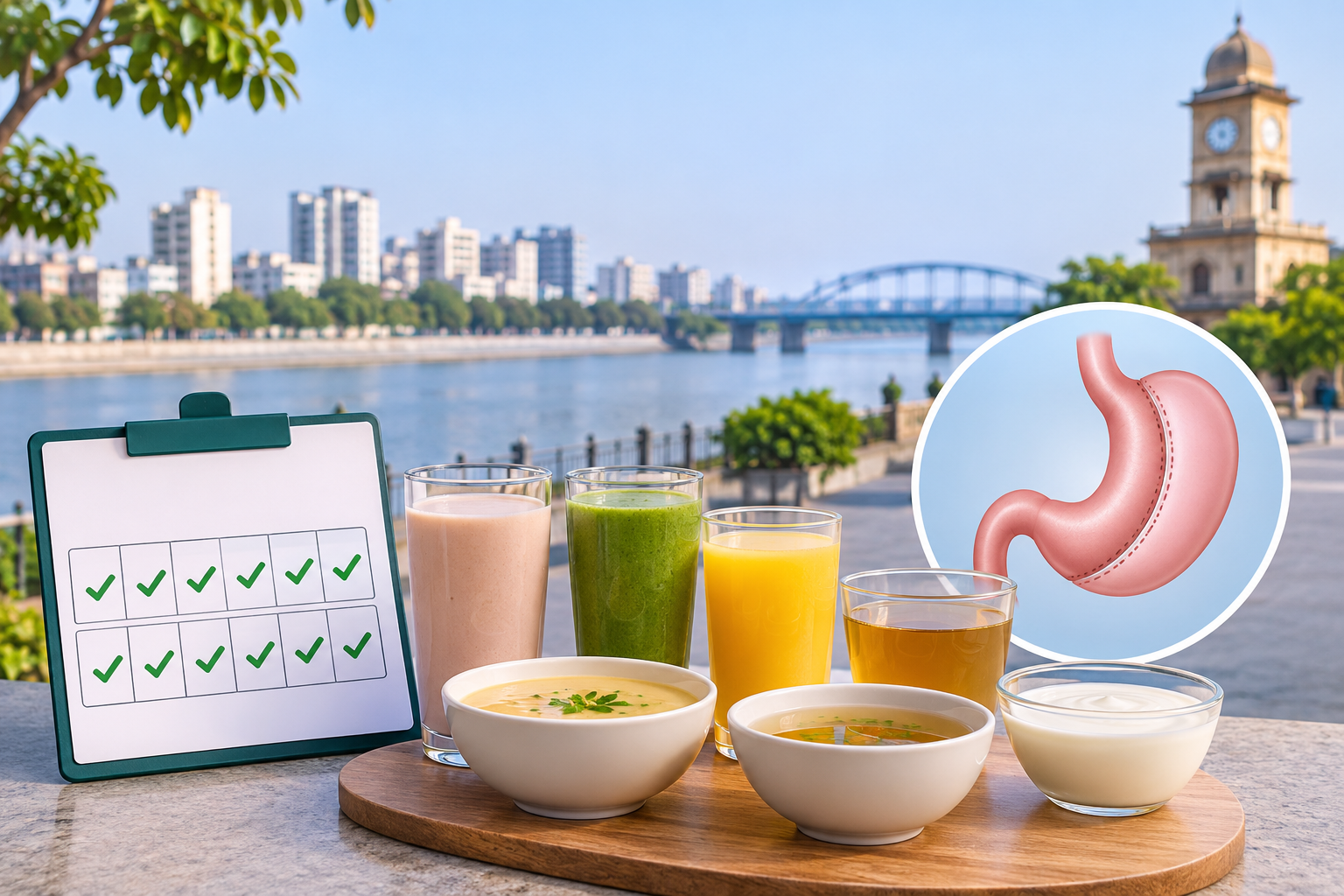
Before bariatric surgery, many patients follow a high-protein, low-calorie liquid or semi-liquid diet for approximately one to two weeks. This helps reduce liver size and improve surgical access. The exact duration, permitted foods and protein requirements depend on the procedure and medical condition.
If you are preparing for weight-loss surgery, understanding the pre bariatric surgery diet in surat can help you follow your surgeon's instructions and avoid last-minute confusion.
A preoperative diet is not simply a weight-loss plan. It is part of preparing the body for procedures such as sleeve gastrectomy and gastric bypass.
Dr. Vikram Lotwala, associated with Wings Hospital, Adajan, works with patients undergoing bariatric treatment. Individual dietary instructions should be confirmed by the treating bariatric team.
Why a Diet Before Surgery Matters
The liver sits close to the stomach, where bariatric procedures are performed.
In people with obesity, the liver may become enlarged because of excess fat accumulation.
An enlarged liver can make surgical exposure more difficult.
A short-term, calorie-restricted, protein-focused diet may reduce liver volume and improve access to the stomach during surgery.
What Is a Liver Shrinking Diet?
A liver shrinking diet is a structured eating plan used before selected bariatric operations.
It generally reduces overall calorie intake while maintaining an appropriate protein supply.
Depending on the hospital protocol, the plan may include:
-
High-protein meal replacement shakes.
-
Low-fat dairy products.
-
Dietitian-approved soups.
-
Sugar-free beverages.
-
Measured portions of permitted semi-liquid foods.
-
Vitamin or mineral supplements when prescribed.
The exact food list varies between bariatric programmes.
Why Is Protein Important?
Protein helps maintain muscle and supports normal body functions during calorie restriction.
However, patients should not independently increase protein powder intake without discussing their requirements with the dietitian.
Protein targets may need adjustment in people with kidney disease or other medical conditions.
Does Every Patient Need Two Weeks?
No.
Some bariatric programmes recommend approximately one to two weeks, while others prescribe different durations based on BMI, liver size, diabetes control and the planned procedure.
Patients can also review bariatric surgery eligibility to understand how suitability for weight-loss surgery is assessed.
Week 1 and Week 2 Sample Menus
A liquid diet before bariatric surgery may involve approved protein drinks, strained soups and other carefully selected foods.
However, not every patient follows a completely liquid diet throughout the preparation period.
Some programmes allow measured portions of semi-liquid or solid foods during the initial stage.
Week 1: Adjusting to the Diet
The first week may focus on reducing calorie intake, replacing selected meals with approved protein products and avoiding high-fat or high-sugar foods.
Patients should follow the prescribed portion sizes rather than guessing quantities.
Week 2: Following the Prescribed Final Stage
The second week may involve a more restricted liquid or semi-liquid plan.
The exact progression depends on the surgeon's instructions.
Patients should not automatically switch to a clear-liquid-only diet unless specifically advised.
Two-Week Vegetarian Pre-Bariatric Diet Menu
| Meal | Week 1 – Illustrative Options | Week 2 – Illustrative Options |
|---|---|---|
| Early morning | Water or permitted sugar-free beverage | Water or approved beverage |
| Breakfast | Dietitian-approved high-protein shake | Prescribed protein shake |
| Mid-morning | Low-fat curd, if permitted | Approved protein drink |
| Lunch | Strained dal or protein-enriched soup | Prescribed high-protein liquid meal |
| Afternoon | Water or permitted unsweetened beverage | Approved sugar-free beverage |
| Evening | Dietitian-approved protein option | Prescribed protein drink |
| Dinner | Measured protein-rich semi-liquid meal | Approved liquid or semi-liquid meal |
| Before bed | Water or permitted beverage | Follow the prescribed fluid schedule |
Important: This table illustrates possible meal types, not a nutritionally complete prescription. Quantities, calories, protein targets and food choices must be set by the bariatric dietitian.
Foods Commonly Restricted Before Surgery
Depending on the prescribed plan, patients may need to avoid:
-
Fried farsan and oily snacks.
-
Sweets, sugary drinks and desserts.
-
Large restaurant meals.
-
High-fat foods.
-
Alcohol.
-
Unapproved meal replacements.
Do not assume that fruit juices, milkshakes or sweetened soups are acceptable simply because they are liquids.
A liquid food can still contain excessive sugar or calories.
Vegetarian Protein Sources
Vegetarian patients can meet their prescribed protein requirements using appropriate foods and supplements.
However, the allowed choices depend on whether the patient is following a liquid, semi-liquid or modified solid-food stage.
Common Vegetarian Protein Options
Low-fat curd: Provides protein and may be permitted during some semi-liquid stages.
Low-fat milk: Can contribute protein, but portions and carbohydrate content must be considered.
Soy-based products: Some bariatric programmes use approved soy protein drinks or supplements.
Strained dal: May be included in certain meal plans, although ordinary thin dal can provide less protein than patients expect.
Protein supplements: Dietitian-approved supplements may help patients reach their prescribed targets.
Paneer and other solid protein foods may be suitable only when the specific preoperative stage permits them.
Can Gujarati Vegetarian Foods Be Included?
Some familiar foods can be adapted to the diet plan.
For example, an approved low-fat curd preparation or strained dal may be easier to incorporate than fried snacks or heavy meals.
However, foods such as khichdi, paneer and vegetable preparations should not be added during a liquid-only stage without permission.
How Much Protein Is Needed?
There is no single target suitable for every patient.
The dietitian determines protein requirements using factors such as body size, nutritional status, kidney function and the planned procedure.
Patients who need personalised meal planning can consult a weight loss dietitian in Surat.
Managing Hunger and Headaches
Changing from regular meals to a restricted preoperative diet can be challenging.
Some patients experience hunger, headaches, fatigue, or irritability, especially during the early adjustment period.
These symptoms should not automatically be dismissed as normal.
How Can You Manage Hunger?
Follow the prescribed meal schedule rather than skipping approved protein servings.
Drink permitted fluids according to the team's instructions.
Spacing approved meals throughout the day may make the plan easier to follow.
Avoid adding extra snacks or increasing portions without discussing them with the dietitian.
What Causes Headaches?
Headaches may occur because of changes in calorie intake, caffeine consumption, hydration or blood glucose levels.
Patients who regularly drink several cups of tea or coffee may experience caffeine-withdrawal symptoms if intake is suddenly reduced.
However, persistent or severe headaches require medical advice.
What If You Feel Weak or Dizzy?
Contact the bariatric team if you experience:
-
Repeated dizziness.
-
Severe weakness.
-
Persistent vomiting.
-
Difficulty maintaining fluid intake.
-
Symptoms suggesting low blood glucose.
-
Confusion or fainting.
Patients taking insulin or other glucose-lowering medicines may require medication adjustments during a calorie-restricted diet.
Never stop or change prescribed medication independently.
Can You Exercise During the Diet?
Light physical activity may be appropriate for some patients, but strenuous exercise may be unsuitable during significant calorie restriction.
Follow the bariatric team's activity recommendations.
The Last 24 Hours Before Surgery
The final day before bariatric surgery is particularly important.
Patients must follow the hospital's instructions about permitted meals, fluids, medication, and fasting.
What Should You Eat the Day Before?
Some programs prescribe specific liquid meals during the final day.
Others provide a different schedule depending on the procedure and anesthesia plan.
Follow the written instructions supplied by the treating team.
Do not substitute a self-designed liquid diet.
When Should You Stop Eating and Drinking?
Preoperative fasting rules depend on the anesthesia assessment and hospital protocol.
Patients may receive different instructions for solid food, milk-containing drinks, and clear liquids.
Do not assume that all patients must stop drinking water at the same time.
What Else Should You Prepare?
Before leaving for the hospital:
-
Confirm admission instructions.
-
Carry medical reports and test results.
-
Bring a current medication list.
-
Follow instructions for diabetes and blood pressure medicines.
-
Arrange transport and postoperative assistance.
-
Clarify which medicines to take on surgery day.
Patients can watch this resource on preparing for weight loss surgery for additional educational information.
Bariatric Diet Plan in Vesu Surat: Preparing for Surgery
Patients searching for a bariatric diet plan in vesu surat should understand that preoperative dietary preparation must be individualised.
Dr. Vikram Lotwala, associated with Wings Hospital, Adajan, can assess surgical suitability and discuss preparation requirements.
The bariatric team should review nutritional status, diabetes management, medication use and any relevant medical conditions before prescribing a diet.
What Happens During a Preoperative Diet Consultation?
The consultation may involve reviewing:
-
Current weight and BMI.
-
Existing medical conditions.
-
Diabetes medicines and blood glucose readings.
-
Previous dietary habits.
-
Protein requirements.
-
Appropriate meal replacement products.
-
The planned surgery date.
Conclusion
Following a pre bariatric surgery diet in surat is an important part of preparing for sleeve gastrectomy or gastric bypass.
A structured, high-protein, calorie-restricted plan may help reduce liver volume and improve surgical access.
However, diet duration, food choices, protein requirements and fasting instructions must be individualised.
Dr. Vikram Lotwala, associated with Wings Hospital, Adajan, can guide patients through the surgical preparation process alongside the treating bariatric team.
Frequently Asked Questions
What happens if I cheat on the pre-op diet?
Eating foods outside your prescribed preoperative diet may interfere with the intended reduction in liver size and calorie intake. One deviation does not automatically mean surgery will be cancelled. Inform your bariatric team rather than hiding it. They can advise whether any changes to your preparation are necessary.
Can I drink tea or coffee?
Tea or coffee may be allowed in some preoperative diet plans, but restrictions vary. Sugar, full-fat milk and high-calorie additions may not be permitted. Caffeine limits also depend on the programme. Ask your dietitian whether unsweetened tea or coffee is suitable and how much you can drink.
Is protein powder needed?
Protein powder may be recommended when ordinary foods cannot meet the prescribed protein target during a restricted diet. However, not every product is suitable. Patients seeking a bariatric diet plan in vesu surat should use supplements approved by their bariatric dietitian, especially if they have kidney disease or diabetes.
Can diabetics follow this diet?
People with diabetes can follow a medically supervised preoperative bariatric diet, but medication adjustments may be necessary. A sharp reduction in calorie or carbohydrate intake can cause low blood glucose, particularly with insulin or certain tablets. Monitor glucose as directed and contact your diabetes team before changing medicines.
Consult Dr. Vikram Lotwala
Advanced bariatric, hernia and laparoscopic surgical care in Surat.