
How Much Protein Do You Need After Bariatric Surgery? Vegetarian Guide (Surat)
Dr. Vikram Lotwala
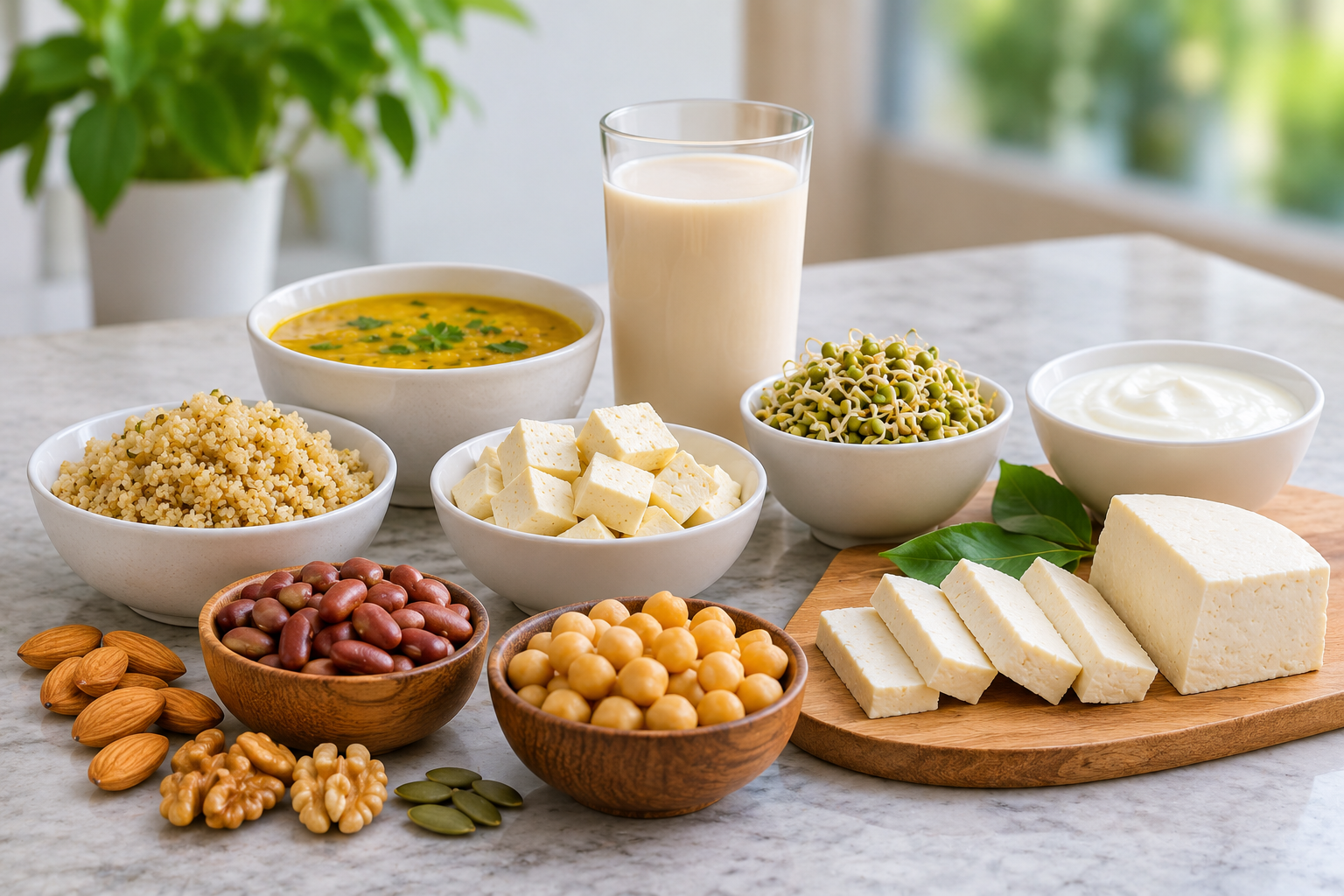
Most bariatric patients need approximately 60–80 grams of protein daily after surgery to support healing, preserve muscle and maintain nutritional health. Vegetarians can work towards this target using curd, paneer, tofu, dal, soy and approved protein shakes as their diet progresses.
If you are wondering how much protein after bariatric surgery in surat is necessary, the answer depends on your procedure, body weight, recovery stage and nutritional requirements.
Protein is especially important after weight-loss surgery because patients eat much smaller portions than before. Without careful meal planning, they may struggle to consume enough protein.
Dr. Vikram Lotwala, associated with Wings Hospital, Adajan, helps patients understand postoperative recovery. A bariatric dietitian should provide individual nutritional instructions following surgery.
Daily Protein Targets After Surgery
Protein supports tissue repair, immune function and the maintenance of muscle during weight loss.
After bariatric surgery, the stomach's capacity is reduced, making it difficult to consume large meals.
Patients must therefore prioritise protein-rich foods within the quantities allowed by their postoperative diet plan.
How Much Protein Is Usually Recommended?
Many bariatric nutrition programmes use a general daily target of approximately 60–80 grams of protein.
However, this is not a universal prescription.
Some patients may require more protein based on body size, procedure type and nutritional assessment.
Why Does Protein Matter After Surgery?
Adequate protein intake helps:
-
Support wound healing and recovery.
-
Preserve lean muscle during rapid weight loss.
-
Maintain normal immune function.
-
Support skin, hair and tissue health.
-
Reduce the risk of protein deficiency.
Protein is important, but it does not replace the need for prescribed vitamins, minerals and adequate hydration.
Does Protein Intake Differ After Sleeve and Bypass?
The required amount may vary according to the operation and the patient's individual needs.
After sleeve gastrectomy, food intake is restricted because the stomach is smaller.
After gastric bypass, reduced intake and changes in nutrient absorption can create additional nutritional challenges.
Both procedures require structured follow-up and a suitable protein plan.
Vegetarian Protein Foods and Portions
Getting sufficient vegetarian protein after bariatric surgery is possible with careful food selection.
However, the type and texture of food must match the patient's recovery stage.
Patients should not begin eating solid paneer, soy chunks or other firm foods until their bariatric team permits them.
Vegetarian Protein Food Comparison
| Food | Portion | Approximate Protein |
|---|---|---|
| Low-fat milk | 200 ml | 7 g |
| Plain curd | 100 g | 3–4 g |
| Paneer | 50 g | 8–10 g |
| Cooked moong dal | 100 g | 7 g |
| Firm tofu | 100 g | 10–15 g |
| Cooked soy chunks | 50 g | 8–9 g |
| Greek yogurt | 100 g | 8–10 g |
| Protein supplement | 1 prescribed serving | Check product label |
Note: These values are approximate. Actual protein content varies by brand, preparation method and portion size. Not all foods are appropriate during the early postoperative stages.
Which Foods Are Easier to Include?
During the liquid stage, approved protein drinks may be the main protein source.
As patients progress to puréed or soft foods, suitable options may include smooth curd, blended dal or soft tofu.
Paneer and soy preparations may be introduced later when permitted.
Should Protein Be Eaten First?
Many bariatric programmes advise patients to prioritise protein-rich foods before other meal components.
This helps patients make better use of their limited meal capacity.
However, meal order, portion sizes and fluid timing should follow the prescribed recovery plan.
For additional guidance, see diet and lifestyle after surgery.
Protein Shakes: When and Which
Protein shakes after surgery can help patients meet their nutritional needs when eating sufficient protein from regular foods is difficult.
They are commonly included in bariatric nutrition plans, particularly during the early recovery period.
When Can Protein Shakes Be Started?
The timing depends on the hospital's postoperative diet protocol.
Some patients begin approved protein supplements during the liquid stage, while others follow a different schedule.
How Do You Choose a Protein Supplement?
A bariatric dietitian may assess:
-
Protein content per serving.
-
Sugar and carbohydrate levels.
-
Fat content.
-
Lactose tolerance.
-
Ingredient quality.
-
Individual medical conditions.
-
Suitability for the current diet stage.
Patients should avoid selecting supplements solely because they are advertised for weight loss or muscle building.
Are Homemade Protein Shakes Suitable?
Homemade drinks may be appropriate later in recovery, but ingredients must be approved.
Adding sugar, ice cream, excessive fruit or high-fat ingredients can increase calories and cause digestive discomfort.
During the early liquid stage, follow the prescribed recipe and texture requirements.
Do Protein Shakes Replace Vitamins?
No.
Protein supplements and bariatric vitamin supplements serve different purposes.
Patients may need lifelong vitamin and mineral supplementation depending on the procedure and clinical recommendations.
Learn more about supplements after bariatric surgery.
Signs of Low Protein
Insufficient protein intake can affect recovery and nutritional health.
However, symptoms are not always specific to protein deficiency.
Possible Warning Signs
Patients may experience:
-
Unusual weakness or fatigue.
-
Reduced muscle strength.
-
Slow wound healing.
-
Increased hair shedding.
-
Swelling in more severe cases.
-
Difficulty meeting nutritional goals.
These symptoms can also result from dehydration, anaemia, vitamin deficiencies or other medical problems.
A medical assessment is necessary to identify the cause.
Does Protein Prevent Hair Loss?
Adequate protein supports normal hair growth, but it cannot guarantee that hair shedding will not occur.
Temporary hair loss may develop after bariatric surgery because of rapid weight loss, nutritional changes and physiological stress.
Persistent hair loss should be discussed with the bariatric team.
When Should You Contact Your Doctor?
Seek medical advice if you cannot tolerate prescribed protein drinks, experience persistent vomiting or struggle to maintain fluid intake.
Severe weakness, dehydration symptoms or progressive swelling also require assessment.
The treating team may recommend nutritional review and laboratory testing.
Sample Day of Eating
A structured meal plan helps patients distribute protein intake across the day.
The following example is intended for a patient who has already been cleared for appropriate soft or regular-texture foods.
It is not suitable for the immediate postoperative liquid stage.
Illustrative Vegetarian Protein Plan
| Meal | Food Option | Approximate Protein |
|---|---|---|
| Breakfast | 100 g Greek yogurt | 9 g |
| Mid-morning | Prescribed protein supplement | 20 g |
| Lunch | 50 g paneer | 9 g |
| Afternoon | 200 ml low-fat milk | 7 g |
| Dinner | 100 g firm tofu | 12 g |
| Evening | 100 g plain curd | 4 g |
| Total | 61 g |
Important: This example illustrates protein calculation, not a complete postoperative diet prescription. Portions, total calories, hydration and meal timing must be personalised. Protein values depend on the actual products used.
How Can You Track Daily Protein?
Patients can maintain a simple food diary recording:
-
Food or supplement name.
-
Quantity consumed.
-
Protein per serving.
-
Total protein for the day.
-
Any digestive symptoms.
Checking food labels can improve accuracy.
The dietitian can review the record and suggest suitable adjustments.
Vegetarian Bariatric Protein Plan in Pal Surat: Getting Personalised Advice
Patients searching for a vegetarian bariatric protein plan in pal surat should receive dietary guidance based on their procedure and recovery stage.
Dr. Vikram Lotwala, associated with Wings Hospital, Adajan, can discuss postoperative recovery and the importance of nutritional follow-up.
A bariatric dietitian should determine the appropriate protein target, permitted food textures and supplement requirements.
Conclusion
Understanding how much protein after bariatric surgery in surat is needed can help patients plan meals and support recovery.
A general target of approximately 60–80 grams daily is commonly used, but individual requirements vary.
Vegetarian patients can obtain protein from dairy, soy, dal and prescribed supplements as their diet progresses.
Dr. Vikram Lotwala, associated with Wings Hospital, Adajan, can guide patients through postoperative care alongside the bariatric nutrition team.
Frequently Asked Questions
Can I get enough protein as a vegetarian?
Yes, vegetarian patients can meet their protein requirements after bariatric surgery through suitable combinations of dairy, soy, dal and prescribed supplements. The food choices depend on the recovery stage. Patients seeking a vegetarian bariatric protein plan in pal surat should ask their dietitian to calculate individual daily requirements.
When can I start protein shakes?
Protein shakes may be introduced during the postoperative liquid diet stage when approved by the bariatric team. The timing and product type depend on the procedure and hospital protocol. Avoid starting supplements independently, particularly if you have kidney disease, lactose intolerance or difficulty tolerating liquids.
Does protein stop hair loss?
Adequate protein helps maintain healthy hair, but it cannot completely prevent postoperative hair shedding. Rapid weight loss, stress and deficiencies in iron or other nutrients may contribute. Follow your prescribed protein and supplement plan, and consult your bariatric team if hair loss becomes persistent or excessive.
How do I measure 60 grams of protein?
Add the protein content of each food and supplement consumed throughout the day. For example, a shake containing 20 grams, yogurt containing 10 grams and other meals providing 30 grams total 60 grams. Use actual food labels and measured portions because protein values vary between products.
Consult Dr. Vikram Lotwala
Advanced bariatric, hernia and laparoscopic surgical care in Surat.