
How Much Weight Can You Lose After Sleeve Gastrectomy? Surat Patient Guide
Dr. Vikram Lotwala
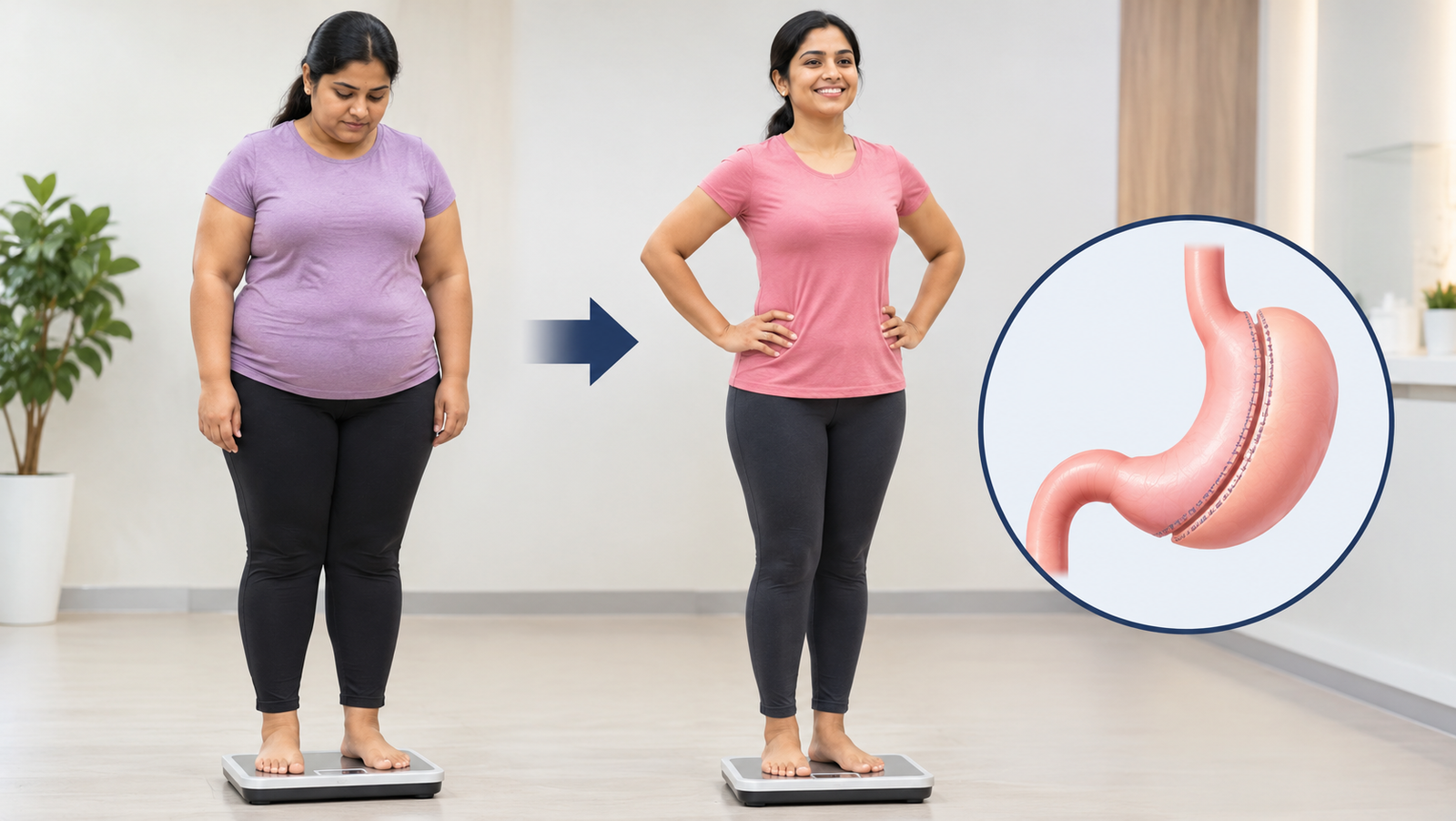
After sleeve gastrectomy, patients may lose approximately 60–70% of their excess body weight over 12–18 months when they follow their recommended diet, activity and follow-up plan. However, results vary according to starting weight, age, medical conditions and habits.
If you are wondering how much weight can you lose after sleeve gastrectomy in surat, it helps to understand how doctors measure weight loss and why results differ between patients.
Sleeve gastrectomy reduces stomach size and changes hormones involved in hunger and fullness. However, surgery is only one part of long-term weight management.
Dr. Vikram Lotwala, associated with Wings Hospital, Adajan, helps patients understand bariatric surgery options and realistic recovery expectations.
Key Takeaways
-
Sleeve gastrectomy can produce substantial weight loss.
-
Results are usually measured using total weight loss or excess weight loss.
-
Weight loss is often faster during the early postoperative months.
-
Starting weight, diet, physical activity and medical conditions affect progress.
-
Temporary weight-loss plateaus are common.
-
Weight regain can occur, making long-term follow-up important.
What Is Excess Weight Loss?
Understanding excess weight loss after sleeve is important because it differs from total body weight loss.
Excess weight refers to the difference between a patient's starting weight and a reference weight used for the calculation.
The percentage of excess weight loss shows how much of that difference has been lost.
Example of Excess Weight Loss
Consider a hypothetical patient:
-
Starting weight: 120 kg
-
Reference weight: 70 kg
-
Excess weight: 50 kg
-
Weight lost after surgery: 30 kg
The calculation is:
Excess weight loss percentage = (Weight lost ÷ Excess weight) × 100
Therefore:
(30 ÷ 50) × 100 = 60% excess weight loss
However, the patient has lost 25% of their starting body weight, not 60%.
This distinction matters when comparing published bariatric surgery results.
The reference weight used in clinical reporting can vary, so patients should ask which calculation their surgeon uses.
Month-by-Month Weight Loss After Sleeve
The expected weight loss after sleeve usually follows a gradual pattern rather than a fixed monthly target.
Weight loss is often faster during the first several months and slows as the body approaches a more stable weight.
Sleeve Gastrectomy Weight-Loss Timeline
| Time After Surgery | Expected Progress | Important Focus |
|---|---|---|
| 1 month | Early weight reduction | Hydration, diet progression and recovery |
| 3 months | Continued weight loss | Protein intake and gentle physical activity |
| 6 months | Ongoing weight reduction | Nutrition, exercise and muscle preservation |
| 12 months | Substantial weight loss may be achieved | Monitoring health improvements and nutritional status |
| 18 months | Weight may begin to stabilise | Maintaining sustainable habits |
First Month: Early Changes
During the first month, patients follow a staged postoperative diet.
Weight may decrease relatively quickly because of reduced calorie intake and changes in fluid balance.
However, hydration, adequate protein and healing are more important than achieving a particular number on the weighing scale.
Three Months: Building New Habits
By the third month, patients are generally progressing towards a more varied diet according to their bariatric team's instructions.
Protein-rich meals, portion control and suitable activity become increasingly important.
Weight loss may continue, but individual rates vary.
Six Months: Continued Progress
Many patients continue losing weight during the first six months.
However, progress may become less predictable as the body adapts.
Regular follow-up can help identify nutritional deficiencies, inadequate protein intake or changes in eating habits.
Twelve to Eighteen Months: Long-Term Results
Weight loss often slows during the later postoperative period.
Some patients approach their lowest postoperative weight during this stage, while others continue changing beyond it.
Long-term results depend on nutrition, physical activity, medical conditions and ongoing care.
For procedure information, visit sleeve gastrectomy.
What Speeds Up or Slows Results?
Several factors influence sleeve gastrectomy results.
Starting Weight and BMI
Patients begin surgery at different weights and with different metabolic conditions.
Therefore, the number of kilograms lost cannot be predicted from the operation alone.
Protein and Nutrition
Adequate protein supports healing and helps preserve muscle during weight loss.
Patients should follow the protein targets and supplement plan prescribed by their bariatric team.
Physical Activity
Regular movement supports overall health and long-term weight management.
Exercise should increase gradually after surgical clearance.
Eating Habits
Frequent high-calorie snacks, sugary drinks and grazing throughout the day can reduce weight-loss progress.
Portion awareness and balanced meals remain important after surgery.
Sleep and Medical Conditions
Poor sleep, certain medicines and medical conditions may affect weight management.
These factors should be reviewed when progress differs significantly from expectations.
Follow-Up Appointments
Regular follow-up helps identify nutritional problems, eating difficulties and weight regain early.
Patients should not stop attending appointments simply because they feel well.
Weight Plateau: Why It Happens
A weight-loss plateau occurs when body weight remains relatively stable for a period despite continued efforts.
Plateaus can occur after bariatric surgery and do not automatically mean that the operation has failed.
Common Reasons for a Plateau
-
Changes in calorie requirements as body weight decreases.
-
Temporary fluid retention.
-
Reduced physical activity.
-
Changes in meal portions.
-
Frequent snacking or liquid calories.
-
Inconsistent sleep.
-
Medication or metabolic factors.
Daily weight measurements can also fluctuate because of hydration, bowel movements and other normal changes.
What Should You Do During a Plateau?
First, review your eating habits without making extreme dietary restrictions.
Continue the prescribed nutrition and supplement plan.
Next, check whether you are meeting your activity goals safely.
Finally, discuss persistent plateaus with your bariatric team.
A dietitian or surgeon may recommend adjustments after reviewing your progress.
Avoid crash diets, unapproved supplements or weight-loss medicines without medical advice.
Sleeve Gastrectomy Results in Athwa Surat: What Patients Should Expect
Patients researching sleeve gastrectomy results in athwa surat should focus on realistic expectations rather than comparing their progress with another person's experience.
Two patients undergoing the same operation may lose different amounts of weight.
During a bariatric consultation, the medical team may review:
-
Starting weight and BMI.
-
Diabetes and other health conditions.
-
Previous weight-management attempts.
-
Current medicines.
-
Eating patterns.
-
Physical activity.
-
Nutritional status.
-
Long-term treatment goals.
Dr. Vikram Lotwala, associated with Wings Hospital, Adajan, can discuss expected outcomes based on an individual assessment.
Real Results From Surat Patients
Patient experiences can help illustrate the changes that may occur after bariatric surgery.
However, a testimonial cannot predict another patient's outcome.
For example, the website features a 34 kg weight loss story.
This is an individual experience, not an average result or a guarantee of similar weight loss after sleeve gastrectomy.
Patients can also review published patient results to understand different treatment journeys.
Before using any patient example to estimate expected results, confirm the procedure performed, starting weight, follow-up duration and relevant medical context.
Can Weight Return After Sleeve Gastrectomy?
Yes. Some weight regain can occur after sleeve gastrectomy.
Possible contributing factors include changes in eating habits, reduced activity, medical conditions and biological adaptation.
Weight regain does not always mean that the operation has failed.
However, substantial or persistent regain deserves assessment.
The bariatric team may review dietary habits, medicines, psychological factors, and possible anatomical concerns.
Treatment can include structured nutritional support, behavioral care, appropriate medication, or further evaluation when necessary.
Early follow-up is usually more helpful than waiting until significant regain has occurred.
Conclusion
For patients asking how much weight can you lose after sleeve gastrectomy in surat, the answer depends on starting weight, metabolic health, eating habits and long-term follow-up.
Sleeve gastrectomy can produce substantial weight loss, but individual outcomes vary and cannot be guaranteed.
Understanding excess weight loss, following a balanced nutrition plan and attending regular reviews can help patients maintain progress.
Dr. Vikram Lotwala, associated with Wings Hospital, Adajan, can discuss suitable bariatric treatment options and realistic expectations during a consultation.
Frequently Asked Questions
How fast will I lose weight after sleeve?
Weight loss is often faster during the first few months after sleeve gastrectomy and gradually slows over time. However, there is no fixed monthly target for every patient. Starting weight, diet, activity and medical conditions influence progress. Follow your bariatric team's individual recommendations.
Can I regain weight after sleeve?
Yes, weight regain is possible after sleeve gastrectomy. Changes in eating habits, physical activity, medicines and metabolic factors may contribute. Regular follow-up helps identify problems early. Patients experiencing significant regain should seek medical assessment rather than relying on restrictive diets or unapproved weight-loss products.
What is a weight loss plateau?
A weight-loss plateau is a period when body weight remains relatively stable despite continued efforts. It may occur as the body adapts to a lower weight. Patients researching sleeve gastrectomy results in athwa surat should discuss persistent plateaus with their bariatric team.
Do I need exercise after surgery?
Yes, suitable physical activity supports long-term weight management, cardiovascular health and muscle preservation after bariatric surgery. Begin with gentle movement and increase activity only as your surgical team advises. The appropriate exercise plan depends on healing, fitness, medical conditions and the operation performed.
Consult Dr. Vikram Lotwala
Advanced bariatric, hernia and laparoscopic surgical care in Surat.